Tampilkan postingan dengan label Kitchen. Tampilkan semua postingan

Rabu, 16 September 2015

Buying Kitchen Knives in Kyoto -  Part I

Buying Kitchen Knives in Kyoto - Part I

7.25.15 - Kyoto (11 of 43)

7.25.15 - Kyoto (3 of 43)

This is the first part of a two part series on purchasing kitchen knives in Kyoto, Japan. The second post can be found here. 


" It requires a genuine fight to produce one well designed object of relatively permanent value" - George Nakashima

My kitchen here in Seoul is more taciturn than welcoming. It’s a small galley kitchen pushed up against the South wall of my long, narrow, light filled studio, just a row of appliances picked out by the apartment managers for functionality and economy. I have not added much to it over the three quarters of a year I’ve been here - just a few necessities, and I’ve been surprised that I’ve been able to cook so well with so little kitchen equipment. 

When I arrived here, the kitchen was outfitted with two sub par knives. I hacked my way through my first six months with them, chipping into carrots, using the dangerous tactic of wedging the knife into a sweet potato, and then slamming the whole unit, knife plus potato onto the cutting board with several loud THWACKS to slice them into french fries. Tomatoes and more delicate vegetables were simply crushed into asymmetric blobs. There was no hope with these knives so I didn’t even try. 

My chopping became more desperate as the summer produce hit the market near my house in Korea the new vegetables and fruit sat in their farm-dirt-still-on glory in front of the adjumma vendors sitting under sun umbrellas. I took home bagfuls for various meals - more sweet potato fries, attempts at traditional Korean cold noodles and stews, french cuisine inspired pan seared veggies, sautéed peppers and eggplants. I had a couple of close calls when I almost smashed my fingers with the knives, and I’d mutter under my breath, “This wouldn’t be happening if I had my knives from America. I need new knives.”

And then Kyoto came at the tail end of a trip to Japan full of food, drink, delicacies, and expertly prepared plates. After Tokyo and Kanazawa, Kyoto held such soul, craftsmanship, and so many sharp pointy objects used to create - it seemed that everywhere I looked people in Kyoto were making. Some were cooking, some were weaving. Some were putting together temples using Miyadaiku, a centuries old technique that involves complicated wooden joins. There were potters, leatherworkers, clothing designers, and they were all mixed up in this city, low and spread out, sitting between mountains and temples and flashes of red and gold, withering in the July heat. 

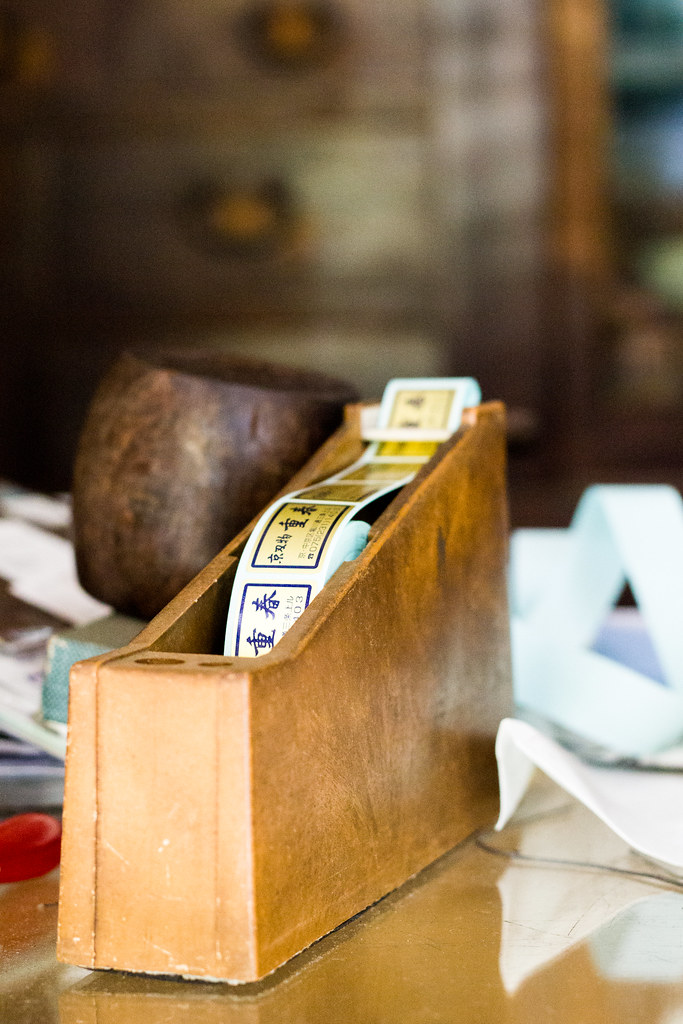
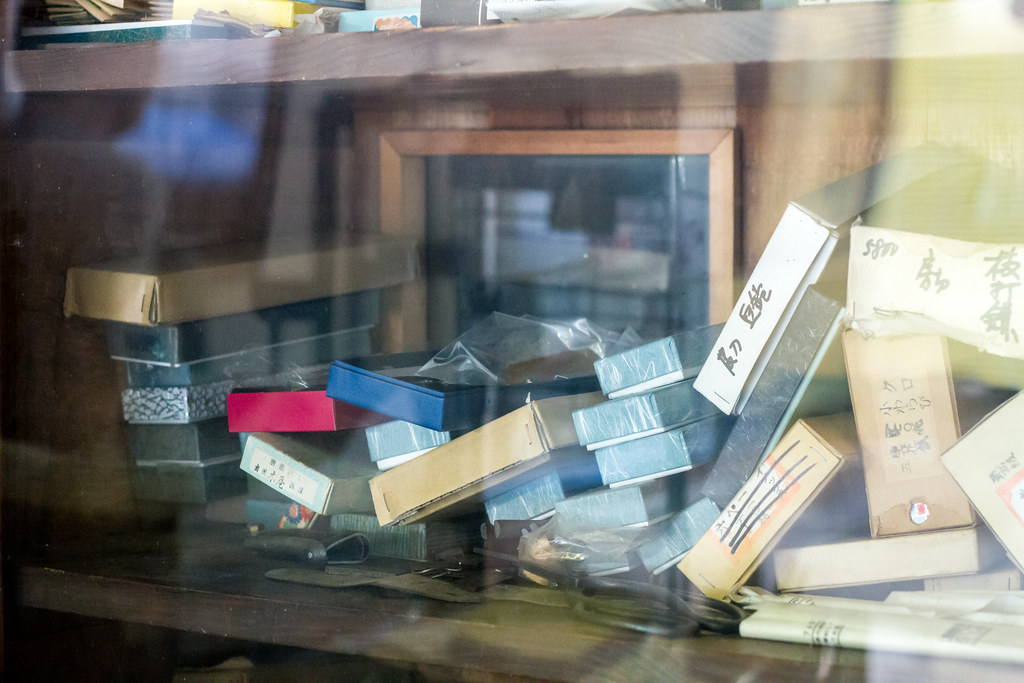
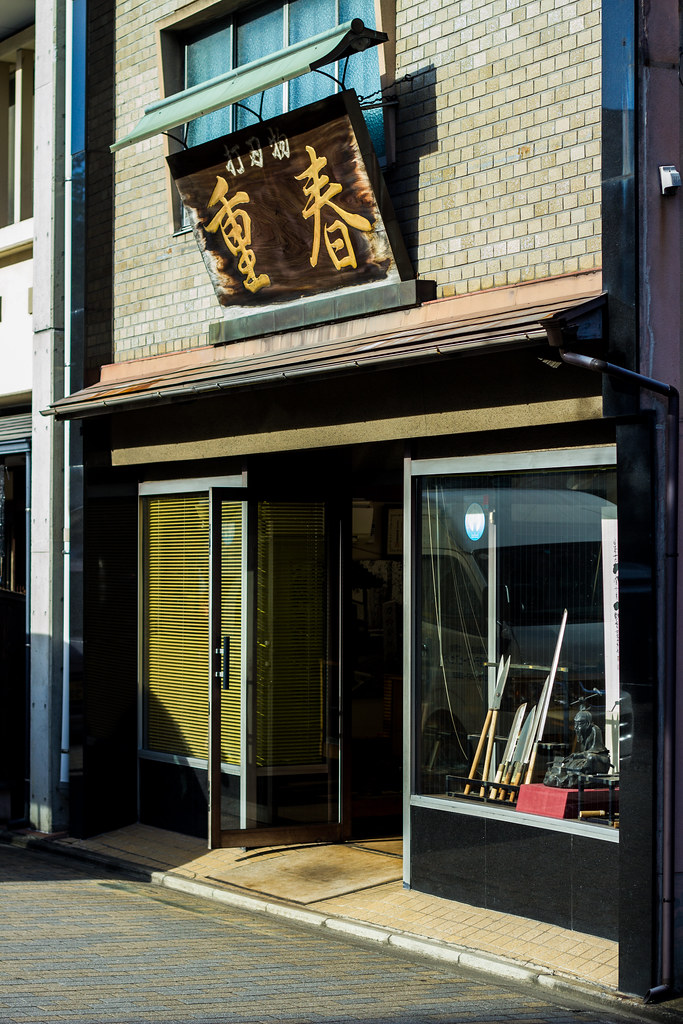
I knew I would be shopping for knives here and I had done my research before coming. I set out to Shigeharu (重春), one of the oldest knife stores in Kyoto. Shigeharu’s founding dates back to the Kamakura period (1190-1329), and the family initially started as sword makers.

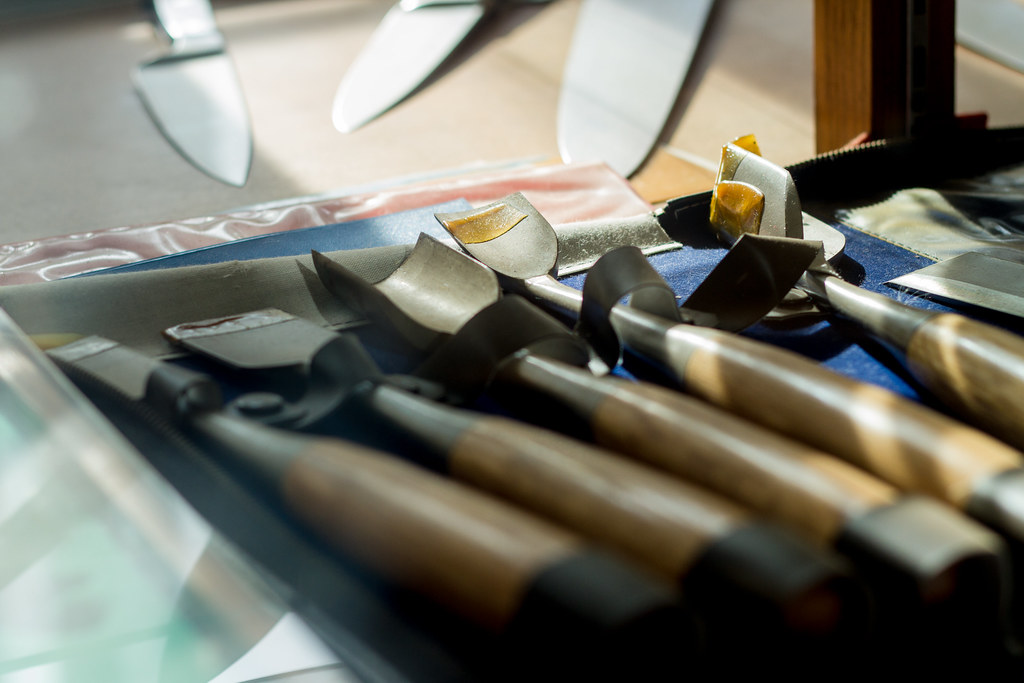
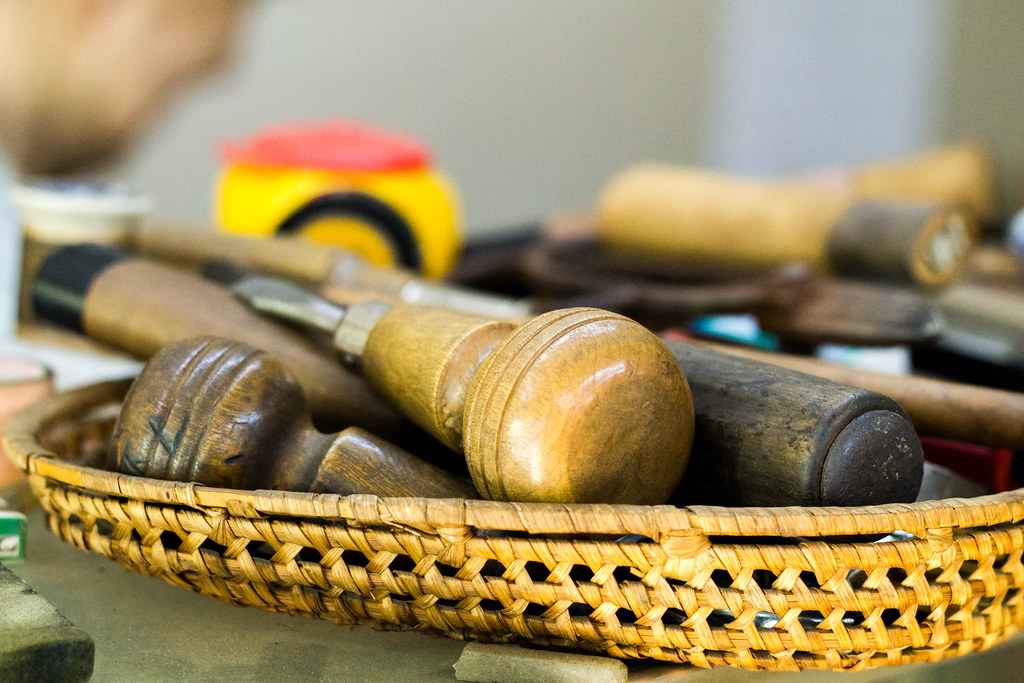
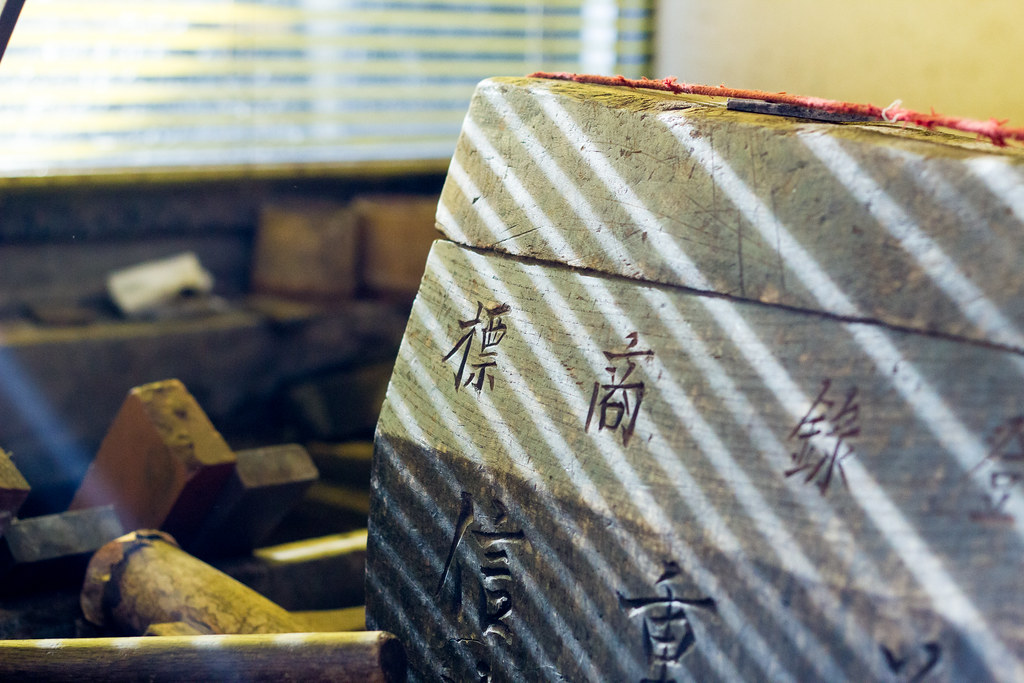
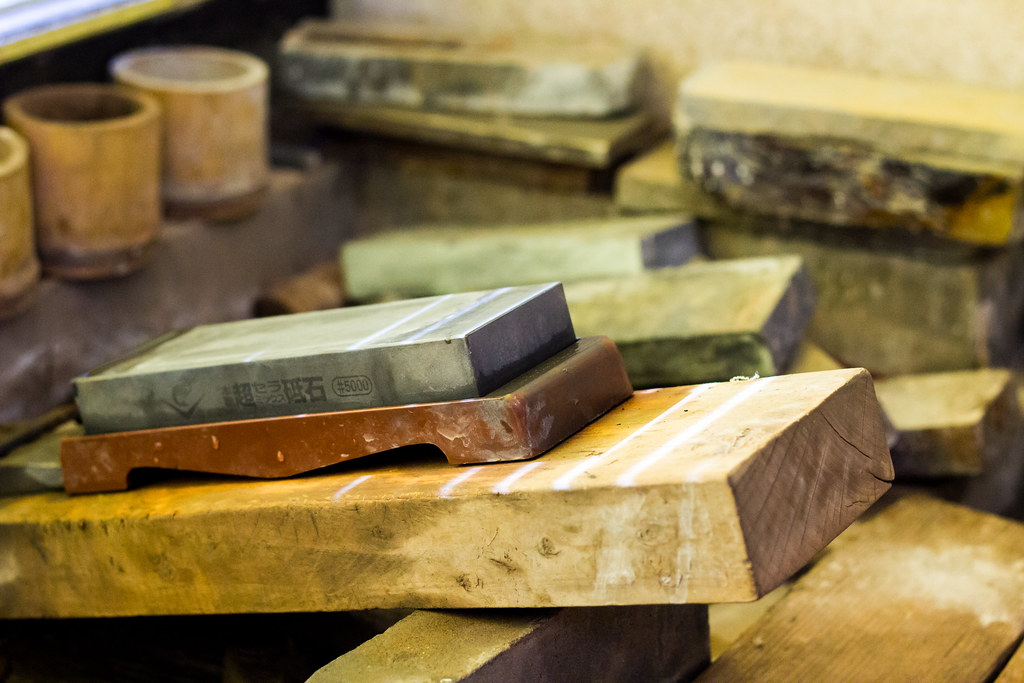
When I walked into Shigeharu I was immediately struck by the fact that there were more tools in the shop than knives. I recognized many of them as woodworking and leather working tools, and noticed a pile of planers and chisels in the corner near an old stone basin and stacks of whetstones where the tiny, elderly shop proprietor had been sharpening these things prior to my arrival. He had a curious face, clear eyes, and warm, worn hands with short fingernails. They were immaculately clean. 

He didn’t speak any english, but we communicated using a translation app on my phone and his  precise detailed illustrations. To show what, I walked to the kitchen knives and pointed to a few of them - I was specifically looking for an all purpose chef’s knife to add to my set at home and carry me through the rest of my culinary adventures here in Korea. 

My only experience buying knives had been six years before where I simply walked into Macy’s and bought a kitchen-worthy set of J.H. Henkel knives with as much money as I could spare, some several hundred dollars. Buying a handcrafted carbon steal knife was a different story. Even though I had my research, there’s only so much you can learn from the internet - the rest has to be learned through experience and time spent with the creators.

The shopkeeper patiently worked through the difference in quality, in steel, in composition, and in the uses of the knives. He encouraged me to pick each of the knives up and took my hand, opened it up, and set the knife handle in it, closing each finger around it. He nodded his approval and said, “Good” in Japanese - “Ee.” He motioned to me to start rocking the knife itself back and forth, to feel the movement and the weight. 

Like so much else in Japan, the experience was completely tactile, meant to spark a feeling that what you were purchasing was good and right, that things worked as they should, and that beyond objects, they were extensions of your self meant to fit into the already constructed fabric of your life, not to define it with it’s newness or shine.

When I picked up the third knife he had pulled out of the case I knew that was the right knife - steel carbon, hand made, wooden handle. The weight and construction of the knife and the balance of it felt fluent in my hand. Unlike the other knives I did not feel like I needed to move my wrist to cut, the way it fit in my hand was not fatiguing, and when I flipped it left and right it felt controlled, but assisted, like driving a luxury car. The shop keeper stood near and nodded again, and I could see that he understood without speaking that one clicked with me as he started bundling up the other knives and preparing this particular one to be sharpened. He then boxed it up, wrapped it in paper, and sealed it with a foil seal as I pulled out the Yen I had brought to pay him; Shigeharu does not take credit cards. 

That evening I took a woodworking class (at a bar!) from a gentleman I met who puts together temples using the traditional techniques. He had asked me about my day and I described going to get a kitchen knife at Shigeharu. He nodded, expressing his familiarity with the store, but added that I might want to visit the place he goes to get his woodworking tools sharpened, a smaller, less storied shop called Kayakawa Hamonoten.

You can find the shop on Horikawa Street between Sanjo and Oike Streets, on the east side. If you find yourself at the Nijo Caslte gate, walk south for about five minutes. It will be on the left side of the street. 

7.25.15 - Kyoto (4 of 43)

7.25.15 - Kyoto (1 of 43)

7.25.15 - Kyoto (7 of 43)

7.25.15 - Kyoto (10 of 43)

7.25.15 - Kyoto (9 of 43)

7.25.15 - Kyoto (8 of 43)


Rabu, 07 Mei 2014

You Should Know: Living Gluten Free: Recipe - Sweet Potato Medallions with Micro Greens, Feta, and Balsamic Glaze

You Should Know: Living Gluten Free: Recipe - Sweet Potato Medallions with Micro Greens, Feta, and Balsamic Glaze

Food7

(Note: This is part two in a gluten free living series! You can see part one here.)

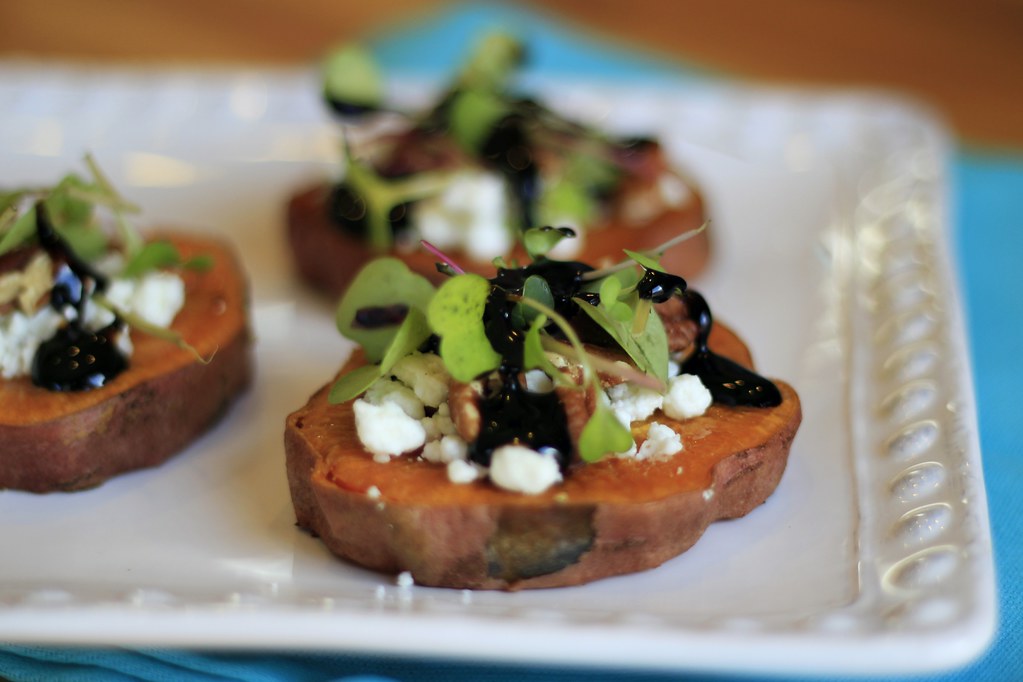
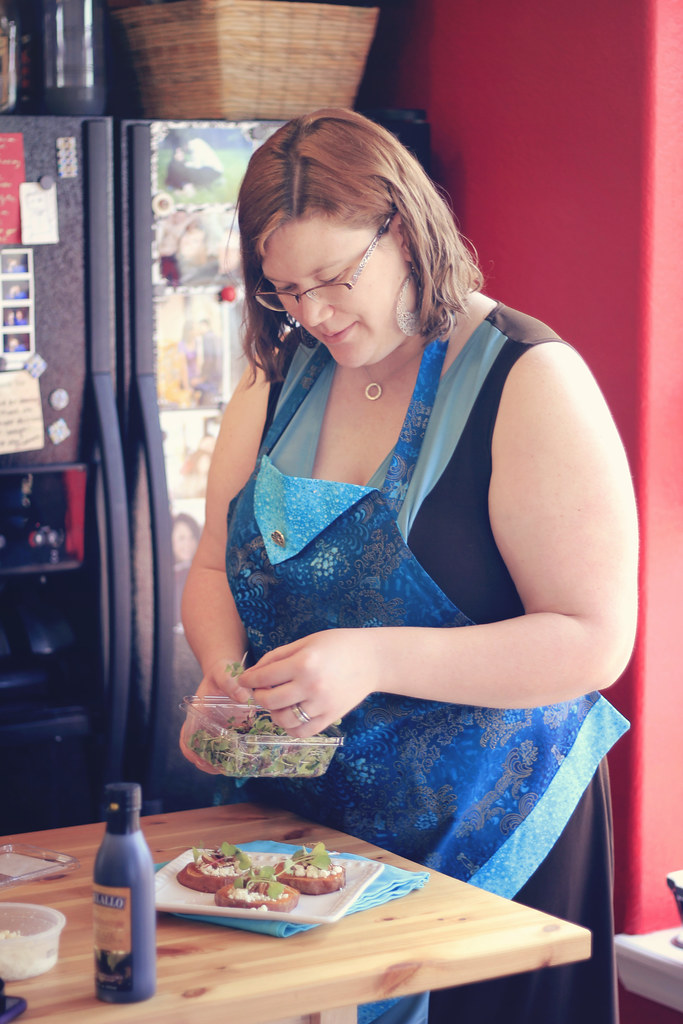
Earlier this month I posted my top five tips for living gluten free. A few weekends ago my friend Stephanie, who blogs over at Sustaining the Powers, and I partnered (well...she cooked...I watched and took photographs and drizzled Balsamic Glaze over the final product!) to work on a very simple gluten free recipe. One of the great things about this recipe is that it is made entirely with foods that are already gluten free. You don't even have to think about replace this or that with expensive or hard to find ingredients.

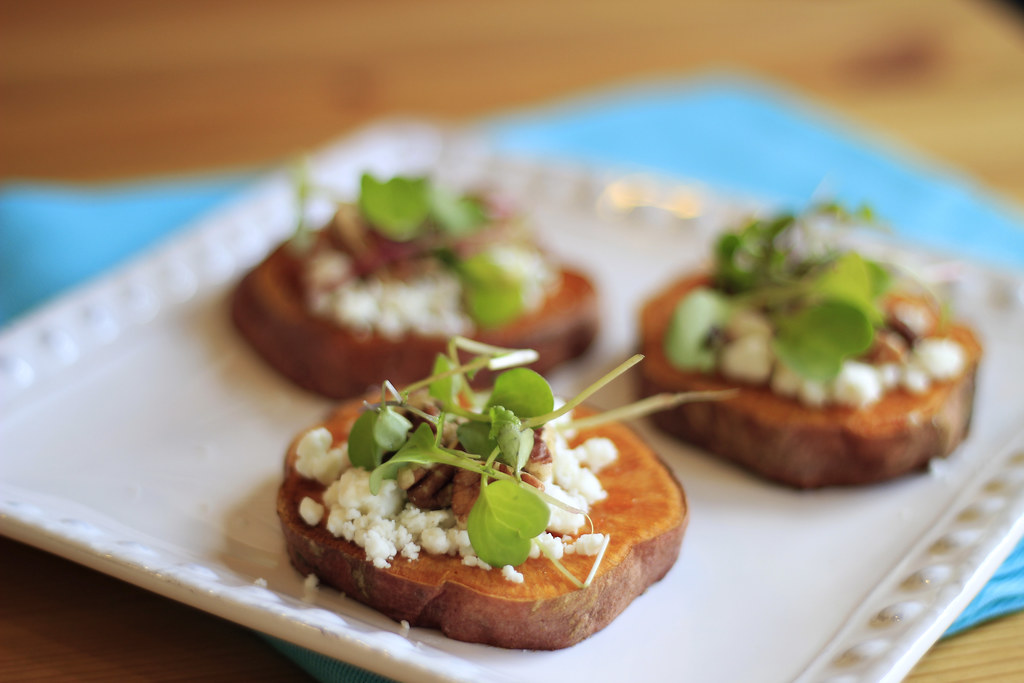
These sweet potato medallions can be served as a side, main, or appetizer and take very little time to make and prep. The plate up beautifully and can be grabbed one at a time.

Stephanie is a fantastic cook and an amazing multi-tasker. She's also exceptionally skilled at working around dietary needs. Here's an example: one random Wednesdays night, I watched her make seven meals for seven people with different dietary needs on a whim simply because they were hungry. It wasn't even a dinner party! We just showed up and she fed us all. She used basic ingredients in her kitchen and had them all out, plated beautifully and deliciously. I'm still in awe of that skill and she's definitely one of my cooking and hosting inspirations and thrilled that she was willing to partner with me to bring a Gluten-Free Recipe to you!

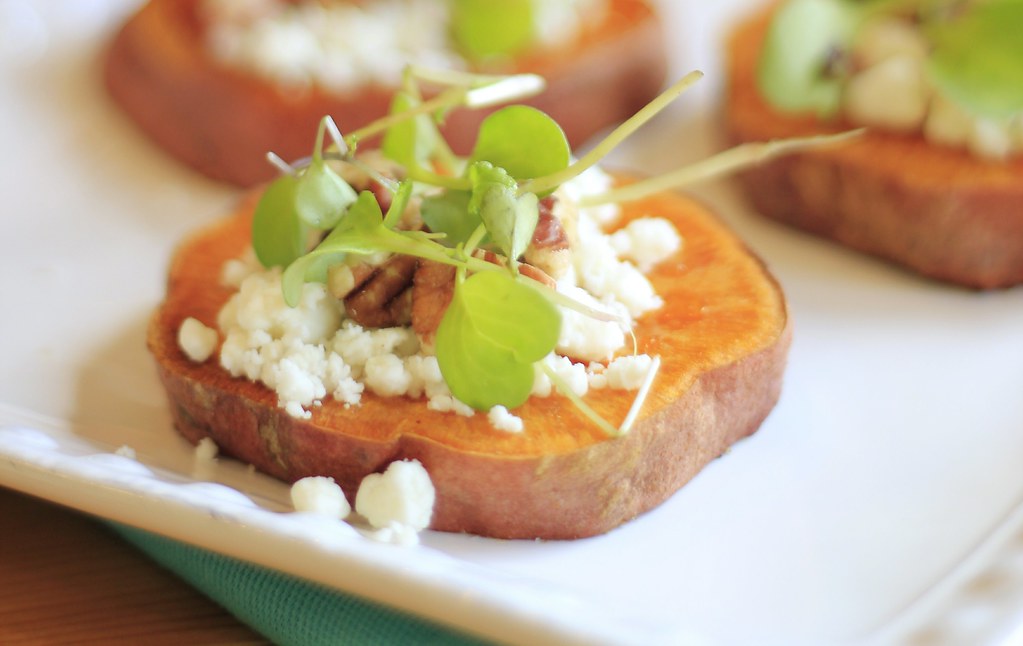
Sweet Potato Medallions with Goat Cheese, Pecans, Microgreens and a Balsamic Vinegar Glaze

Ingredients:

  • 2 medium sweet potatoes
  • 2-3 tbsp olive oil
  • ½ cup goat cheese
  • Balsamic vinegar glaze or reduction
  • ½ cup chopped pecans
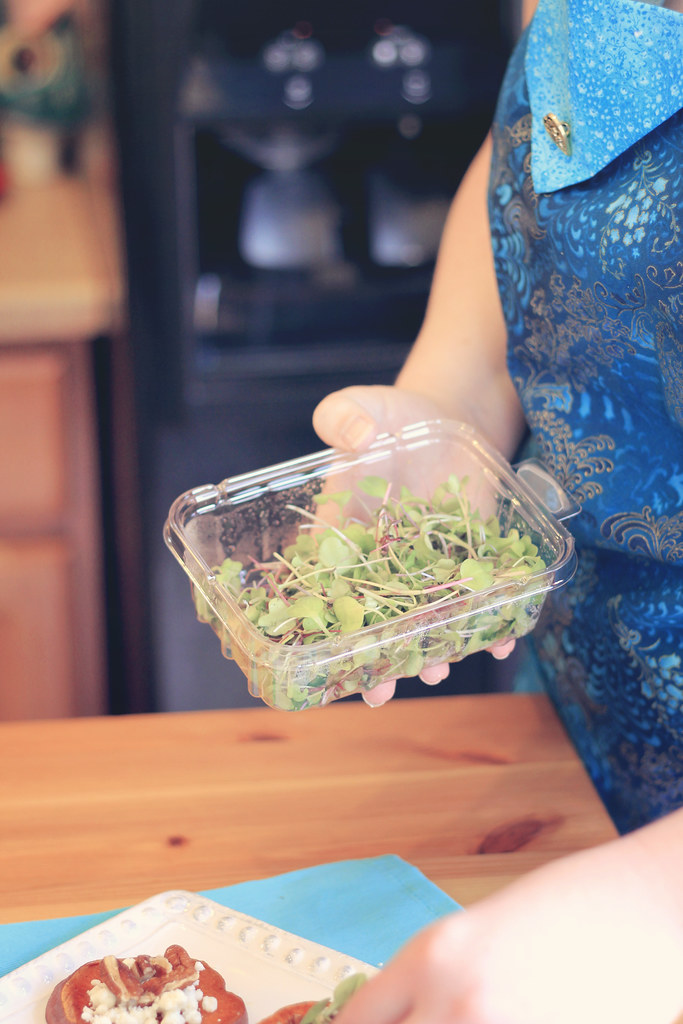
  • ½ cup microgreens (grow your own or find them near the sprouts and lettuce in the veggie section of your grocery)
  • Salt and pepper

Directions:

  1. Preheat oven to 450. 
  2. Spread 2-3 tbsp of olive oil on a jelly roll pan. 
  3. Scrub sweet potatoes, but do not peel.  
  4. Slice sweet potatoes crosswise in 1/2 inch thick medallions and place on oiled pan. 
  5. Flip once so both sides get oil and sprinkle with salt and pepper.
  6. Bake for 15 min. 
  7. Turn over using tongs and bake for another 10 minutes, or until both sides of the potato are blistered and the center is soft. 
  8. Top each medallion with crumbles of goat cheese, pecans, microgreens, and a light drizzle of balsamic reduction or glaze.


food3

Food6

Food2

food5


Kamis, 03 April 2014

You Should Know: Living Gluten Free - Things I've Learned Along the Way

You Should Know: Living Gluten Free - Things I've Learned Along the Way

Bloom8

Bloom2

(This is part one of a series of Gluten Free posts. Look for a post on my favorite Gluten Free Resources coming up soon!)

I've been exclusively gluten free for many, many years. In addition to that my mother incorporated gluten free cooking into our lives even before I went gluten free myself because my sister has a pretty serious case of Celiac that manifested itself when she was a teenager.

My own gluten free journey started when I simply could not get well - I had cold after flu after ache after pain after migraine and underwent the same testing in college and got the same diagnosis. My life completely changed for the better after I took the gluten free plunge and living gluten free turned out to be pretty easy, even in the gluten-free stone age before special marked menus at restaurants and bakeries devoted to gluten free products.

1. Focus on Foods that are Already Gluten Free - This is my number one tip for people when I'm approached by people who are starting their gluten free journey, or are even in the middle of it and are finding it tougher and tougher to sustain the level of prep needed to feed a gluten free child or themselves. When you focus on foods that are already gluten free, like veggies, corn tortillas instead of wheat ones, sushi (if you get the right soy sauce!), and many soups you will find that you have a whole cache of foods that are gluten free without even trying. In fact, I generally think in specific cuisine options - I find Mexican, Vietnamese, Japanese, Indian Food and Soups to be the ones we make the most often at home because they are easily modified (again, we use a gluten free Soy Sauce) or don't need to be modified at all.

2. Find the Gluten Free Hot Spots in Your Area - You know your neighborhood, city, or town and eating gluten free can be easier or harder where you live. I live in Denver which has been great for gluten free living! Almost every single restaurant has a gluten free option or two and most people here are familiar with this. But, it was not always so easy, both in the days before gluten free was a thing and in more rural ares. I have lived in Detroit (much harder!) and Milwaukee (Fair to middling, on the upswing!) in addition to Denver and have done extensive traveling around the country and internationally. Make sure you know where the gluten free friendly places are, both where you live and where you're going. This includes restaurants that allow you to "create" your own dish out of things on the menu ("Please give me a plate with fries, a side of fruit, and some of those cheeses you put on your hamburgers, but no hamburger...") or ones that do have a gluten free menu. It's also good to know where bakeries and gluten free friendly grocery stores are as well.

3. Celebrate Being Gluten Free - Being gluten free will give you an opportunity to experience things you wouldn't normally have done and meet people you wouldn't normally run into. Embrace this! I've always been a bit of a dessert connoisseur so when I travel I seek out gluten free bakeries and those often are located in interesting neighborhoods off the beaten path of a city or are tucked away in small towns. My mother-in-law has really risen to the challenge of having a gluten free family member and we've gone to some great ones in quaint little towns around Philadelphia and I can remember one memorable moment where I made my husband pull a U-turn on our way out to the beach from their house because the words "gluten free" caught my eyes on a sign. Tucked in among the dunes of New Jersey was a gluten free bakery in an old stone house from the 1700s with the most amazing Angel Food Cake. If I hadn't been gluten free we would have missed out on that awesome side trip!

4. Always Pack a Gluten Free Snack - It's not always easy to be gluten free, especially when you're traveling. Hunger can strike at any moment and you could be somewhere where there simply isn't any food you can eat, like an airport, a gas station rest stop on a road trip, or a conference or work event you can't easily leave. To fix this make sure you've packed snacks. I generally go almost everywhere with an apple (they hold up well!) a zip lock bag of a high protein snack like nuts, and a packet from my favorite snack company graze. Having a snack means I'm not stressing about being hungry and getting cranky while doing so.

5. Only Buy Pre-made Gluten Free Foods When Absolutely Necessary - The most expensive part of being gluten free are the pre-made gluten free foods. You can spend your entire grocery budget on these things if you're not careful! I find that baking mixes, recipe books, and ingredients are much, much cheaper and budget friendly. I've established, over the years, a repertoire of easy baked goods and I keep a lot of staple gluten free ingredients like cocoa powder, almond flour, corn starch, and guar gum on hand so I can get busy cooking when the inspiration strikes. Learning how to bake your own does involve trial and error - I've had to toss entire batches of things many times before - but eventually you get your go-to things down. My one exception to buying pre-made gluten free foods is a loaf of bread that I pick up every week to two weeks. I just don't have time to make a loaf of bread every week and having that on hand makes packing lunches extra easy!

I hope that this was helpful for you! What other questions do you have about gluten free living that I can help answer?


Bloom3

Bloom4

Bloom1


***

All photos were taken at the incredible Bloom Bake Shop in Middleton, Wisconsin. Can you believe that every single dessert pictured was gluten free? Many of them were vegan, too! We were there for gluten free wedding cake tastings for my sisters upcoming wedding. Annemarie, the proprietor of the bake shop, was an incredible hostess and an outstanding baker. I haven't eaten a donut in almost a decade and yet she created donuts that were so good I went to sleep dreaming of them!


▲
Top