Rabu, 16 September 2015

Buying Kitchen Knives in Kyoto -  Part I

Buying Kitchen Knives in Kyoto - Part I

7.25.15 - Kyoto (11 of 43)

7.25.15 - Kyoto (3 of 43)

This is the first part of a two part series on purchasing kitchen knives in Kyoto, Japan. The second post can be found here. 


" It requires a genuine fight to produce one well designed object of relatively permanent value" - George Nakashima

My kitchen here in Seoul is more taciturn than welcoming. It’s a small galley kitchen pushed up against the South wall of my long, narrow, light filled studio, just a row of appliances picked out by the apartment managers for functionality and economy. I have not added much to it over the three quarters of a year I’ve been here - just a few necessities, and I’ve been surprised that I’ve been able to cook so well with so little kitchen equipment. 

When I arrived here, the kitchen was outfitted with two sub par knives. I hacked my way through my first six months with them, chipping into carrots, using the dangerous tactic of wedging the knife into a sweet potato, and then slamming the whole unit, knife plus potato onto the cutting board with several loud THWACKS to slice them into french fries. Tomatoes and more delicate vegetables were simply crushed into asymmetric blobs. There was no hope with these knives so I didn’t even try. 

My chopping became more desperate as the summer produce hit the market near my house in Korea the new vegetables and fruit sat in their farm-dirt-still-on glory in front of the adjumma vendors sitting under sun umbrellas. I took home bagfuls for various meals - more sweet potato fries, attempts at traditional Korean cold noodles and stews, french cuisine inspired pan seared veggies, sautéed peppers and eggplants. I had a couple of close calls when I almost smashed my fingers with the knives, and I’d mutter under my breath, “This wouldn’t be happening if I had my knives from America. I need new knives.”

And then Kyoto came at the tail end of a trip to Japan full of food, drink, delicacies, and expertly prepared plates. After Tokyo and Kanazawa, Kyoto held such soul, craftsmanship, and so many sharp pointy objects used to create - it seemed that everywhere I looked people in Kyoto were making. Some were cooking, some were weaving. Some were putting together temples using Miyadaiku, a centuries old technique that involves complicated wooden joins. There were potters, leatherworkers, clothing designers, and they were all mixed up in this city, low and spread out, sitting between mountains and temples and flashes of red and gold, withering in the July heat. 

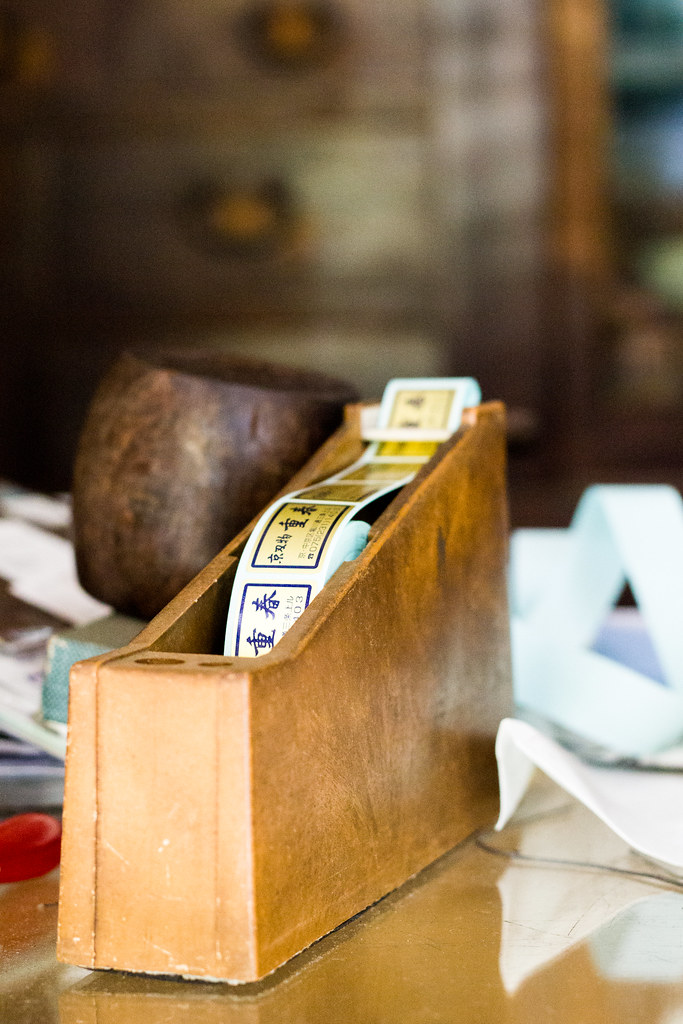
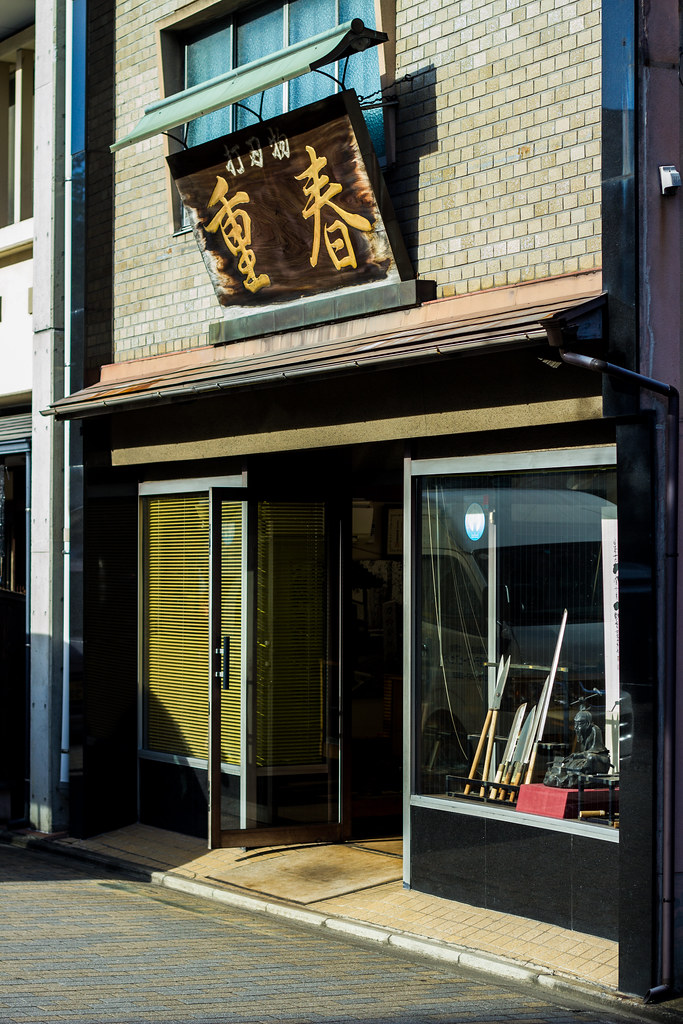
I knew I would be shopping for knives here and I had done my research before coming. I set out to Shigeharu (重春), one of the oldest knife stores in Kyoto. Shigeharu’s founding dates back to the Kamakura period (1190-1329), and the family initially started as sword makers.

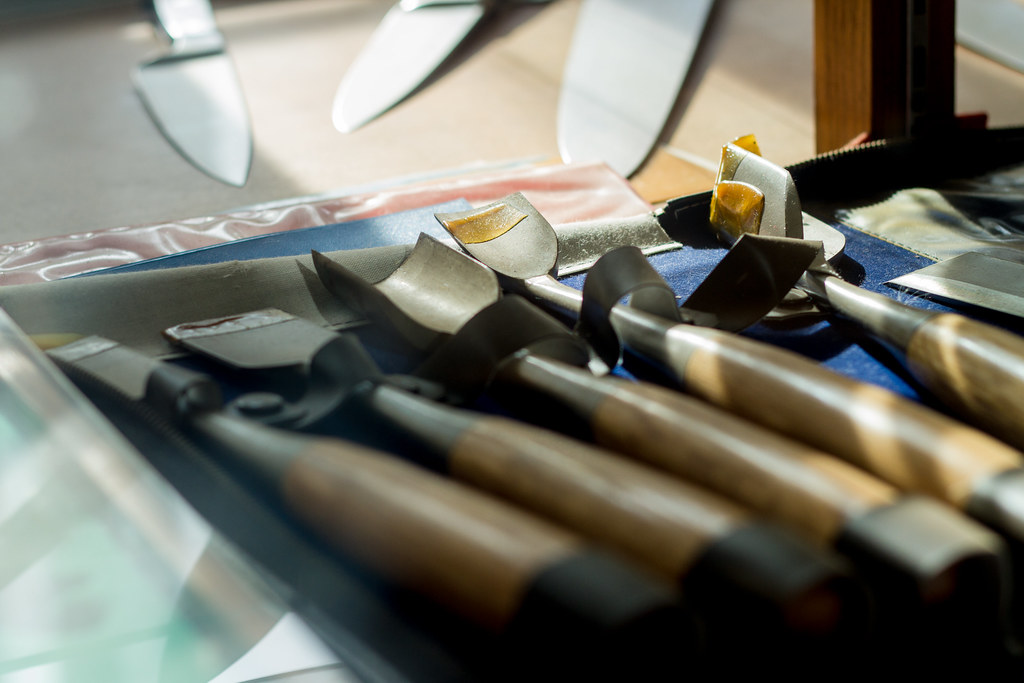
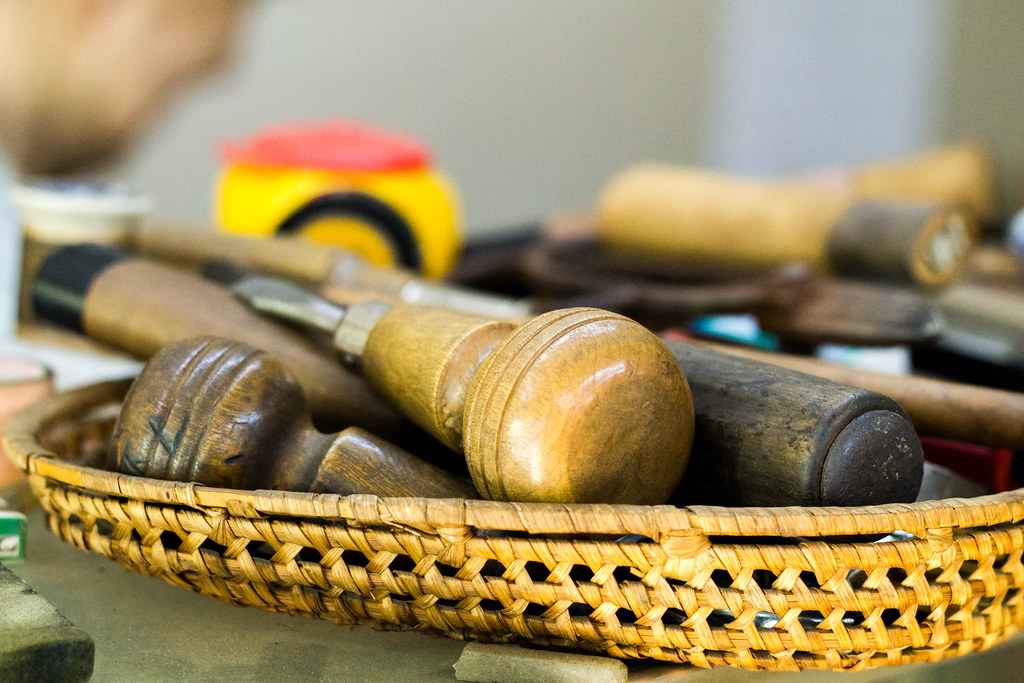
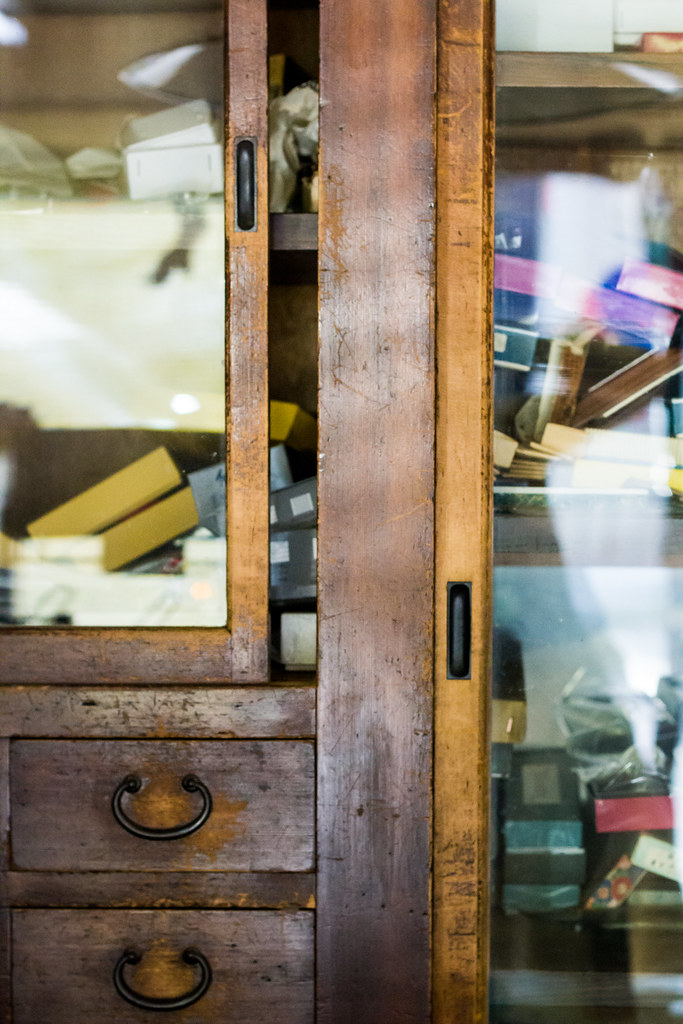
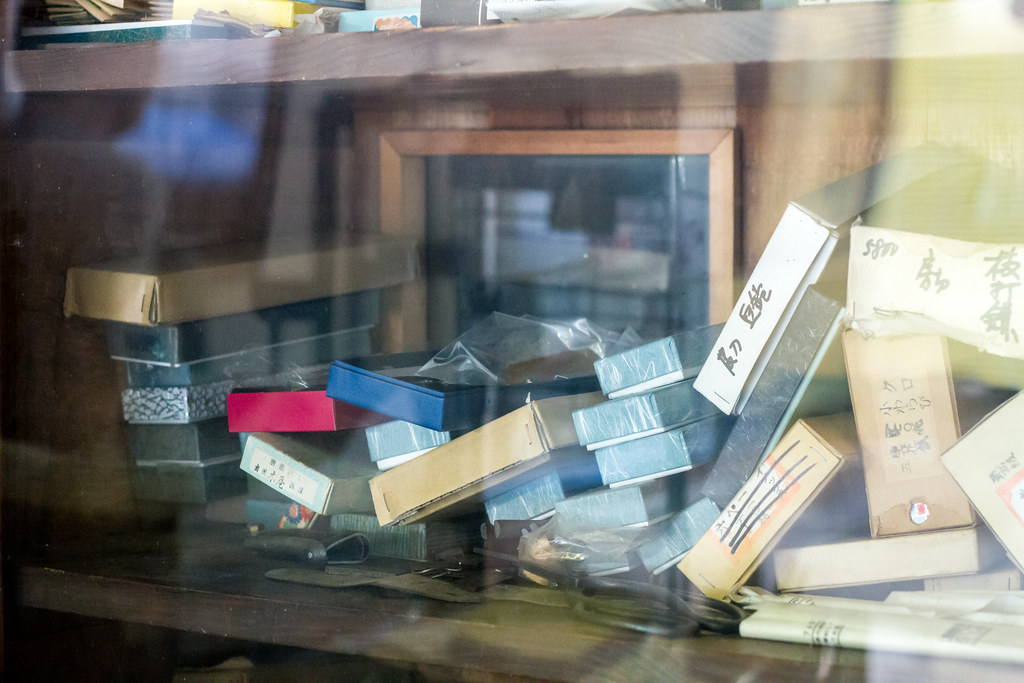
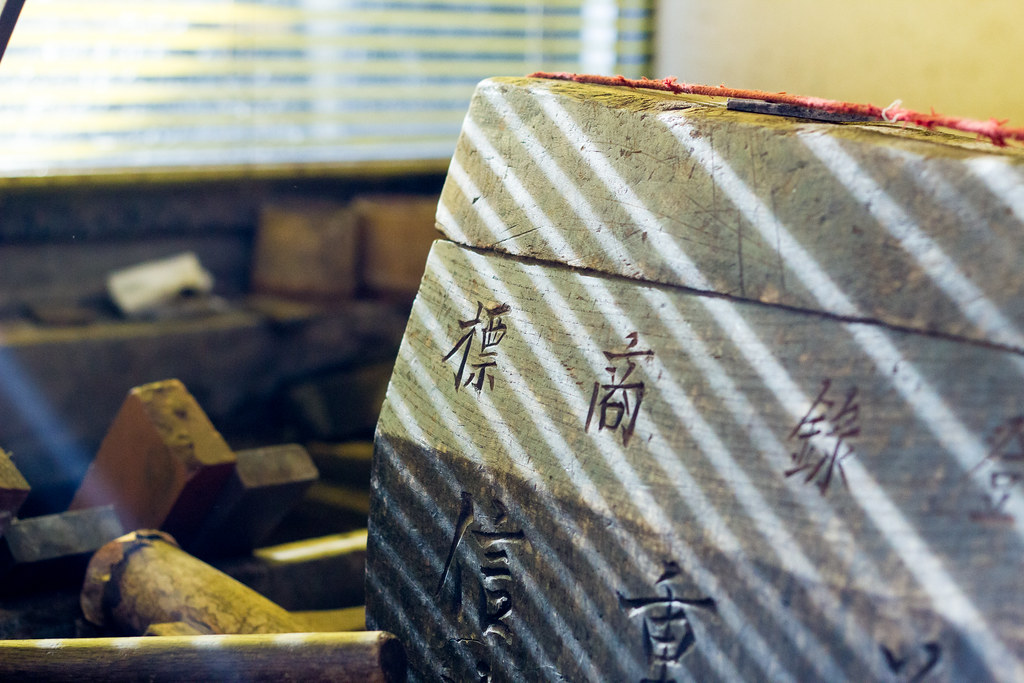
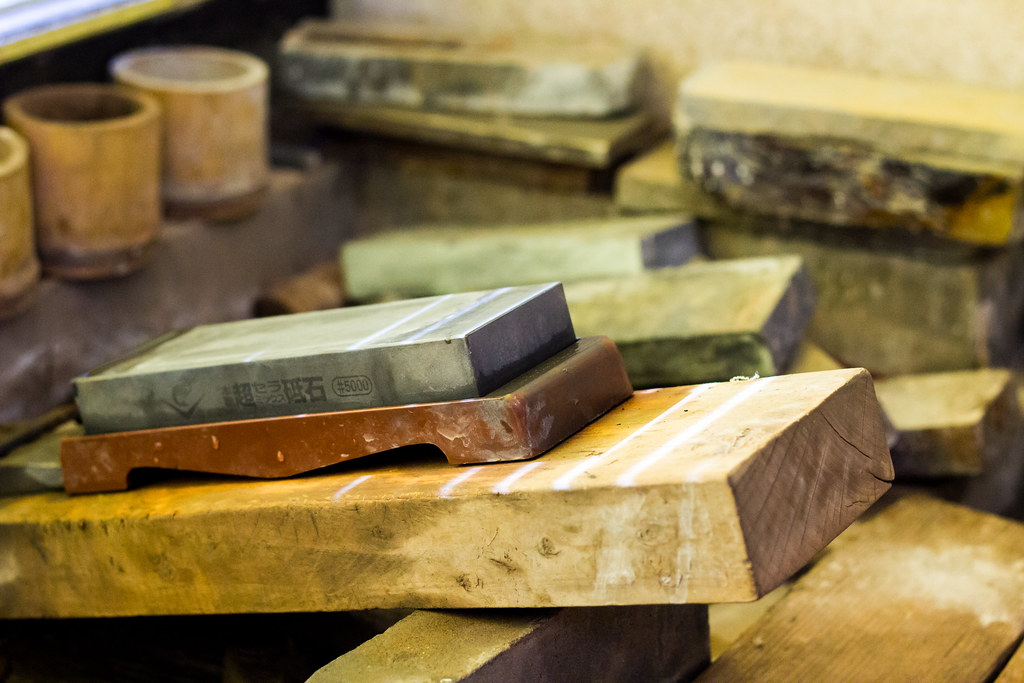
When I walked into Shigeharu I was immediately struck by the fact that there were more tools in the shop than knives. I recognized many of them as woodworking and leather working tools, and noticed a pile of planers and chisels in the corner near an old stone basin and stacks of whetstones where the tiny, elderly shop proprietor had been sharpening these things prior to my arrival. He had a curious face, clear eyes, and warm, worn hands with short fingernails. They were immaculately clean. 

He didn’t speak any english, but we communicated using a translation app on my phone and his  precise detailed illustrations. To show what, I walked to the kitchen knives and pointed to a few of them - I was specifically looking for an all purpose chef’s knife to add to my set at home and carry me through the rest of my culinary adventures here in Korea. 

My only experience buying knives had been six years before where I simply walked into Macy’s and bought a kitchen-worthy set of J.H. Henkel knives with as much money as I could spare, some several hundred dollars. Buying a handcrafted carbon steal knife was a different story. Even though I had my research, there’s only so much you can learn from the internet - the rest has to be learned through experience and time spent with the creators.

The shopkeeper patiently worked through the difference in quality, in steel, in composition, and in the uses of the knives. He encouraged me to pick each of the knives up and took my hand, opened it up, and set the knife handle in it, closing each finger around it. He nodded his approval and said, “Good” in Japanese - “Ee.” He motioned to me to start rocking the knife itself back and forth, to feel the movement and the weight. 

Like so much else in Japan, the experience was completely tactile, meant to spark a feeling that what you were purchasing was good and right, that things worked as they should, and that beyond objects, they were extensions of your self meant to fit into the already constructed fabric of your life, not to define it with it’s newness or shine.

When I picked up the third knife he had pulled out of the case I knew that was the right knife - steel carbon, hand made, wooden handle. The weight and construction of the knife and the balance of it felt fluent in my hand. Unlike the other knives I did not feel like I needed to move my wrist to cut, the way it fit in my hand was not fatiguing, and when I flipped it left and right it felt controlled, but assisted, like driving a luxury car. The shop keeper stood near and nodded again, and I could see that he understood without speaking that one clicked with me as he started bundling up the other knives and preparing this particular one to be sharpened. He then boxed it up, wrapped it in paper, and sealed it with a foil seal as I pulled out the Yen I had brought to pay him; Shigeharu does not take credit cards. 

That evening I took a woodworking class (at a bar!) from a gentleman I met who puts together temples using the traditional techniques. He had asked me about my day and I described going to get a kitchen knife at Shigeharu. He nodded, expressing his familiarity with the store, but added that I might want to visit the place he goes to get his woodworking tools sharpened, a smaller, less storied shop called Kayakawa Hamonoten.

You can find the shop on Horikawa Street between Sanjo and Oike Streets, on the east side. If you find yourself at the Nijo Caslte gate, walk south for about five minutes. It will be on the left side of the street. 

7.25.15 - Kyoto (4 of 43)

7.25.15 - Kyoto (1 of 43)

7.25.15 - Kyoto (7 of 43)

7.25.15 - Kyoto (10 of 43)

7.25.15 - Kyoto (9 of 43)

7.25.15 - Kyoto (8 of 43)


Kamis, 09 Juli 2015

The Uniform: Being Proactive, not Reactive

The Uniform: Being Proactive, not Reactive

.

.

My last post talked about simplicity but I want to dig in a little deeper, and I want to show you part of what has become my "uniform." I also want to talk about how I stopped being reactive and how that's freed up a lot of mental bandwith.

Throughout my life I've dismissed the idea of a uniform as something for the uninspired, for the dull, boring, or for people who can't seem to get it together and are just hanging on by a thread. 

But I was completely wrong. I'll be the first to admit that I couldn't have been further from the truth. I've learned that many people including art directors, fashion bloggers, and even the president wear something like a personal uniform because they need the same thing I need, and that is enough mental energy to focus on what really matters. For me that is creating and building my freelance career. For them it could be managing a company or even running the country. 

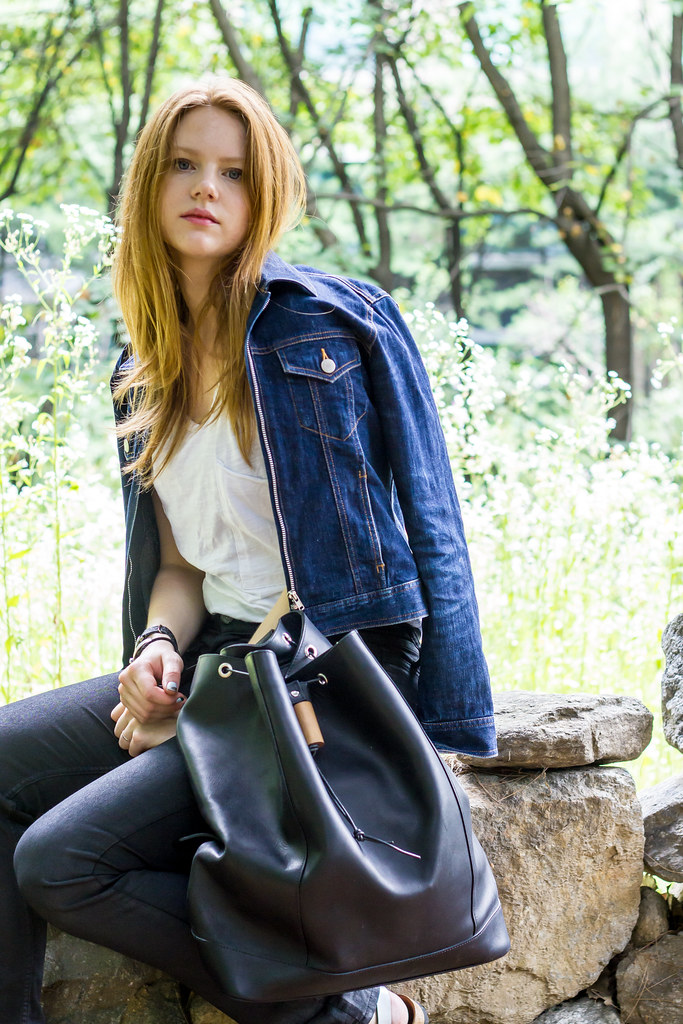
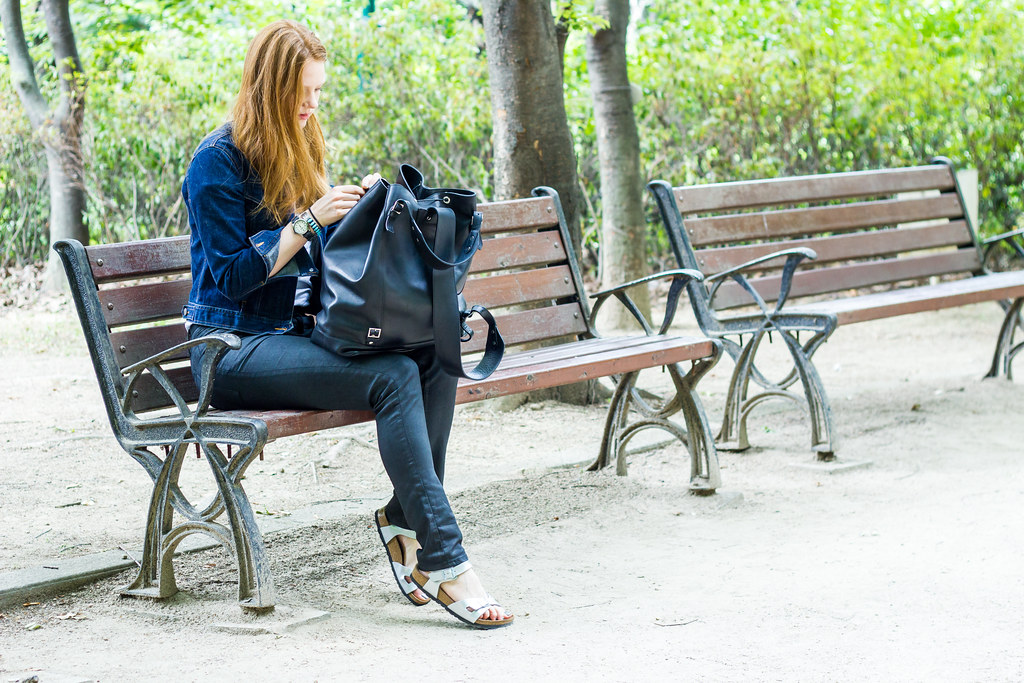
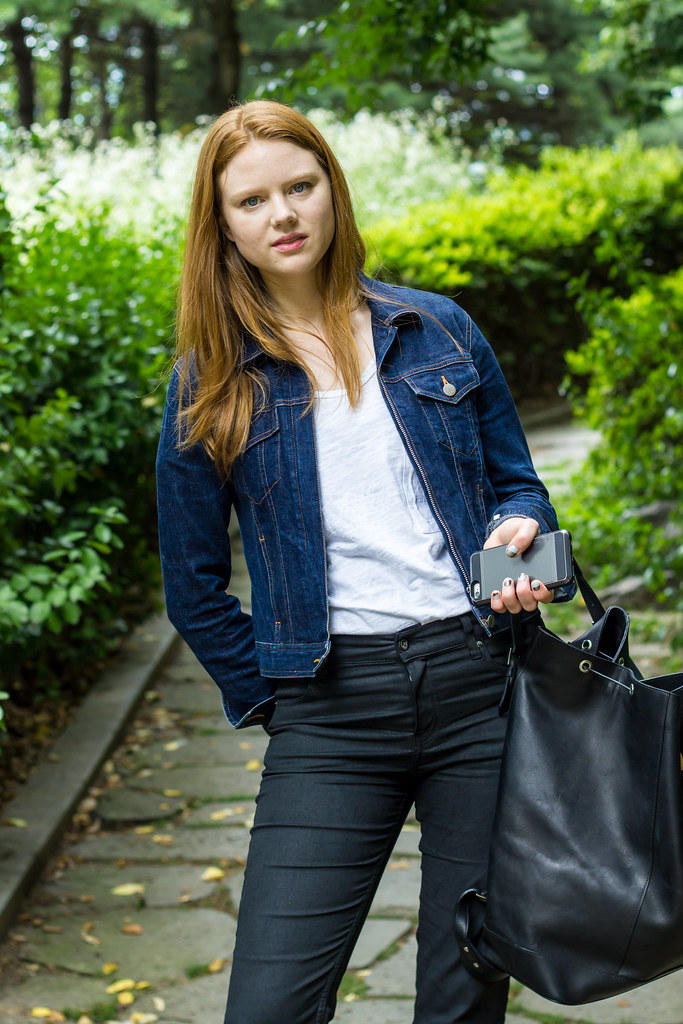
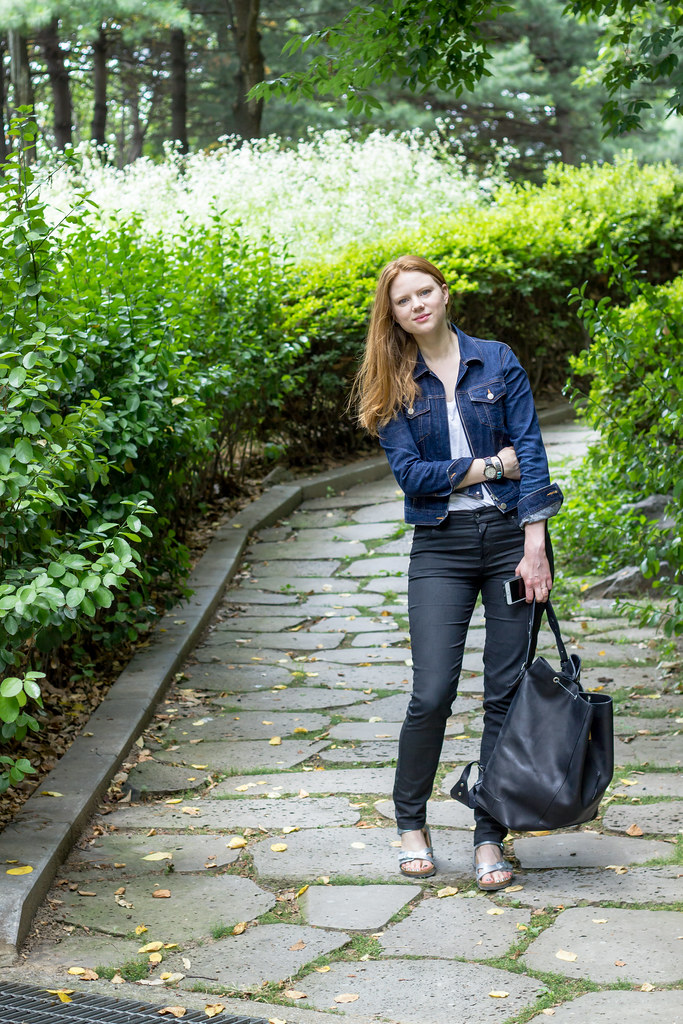
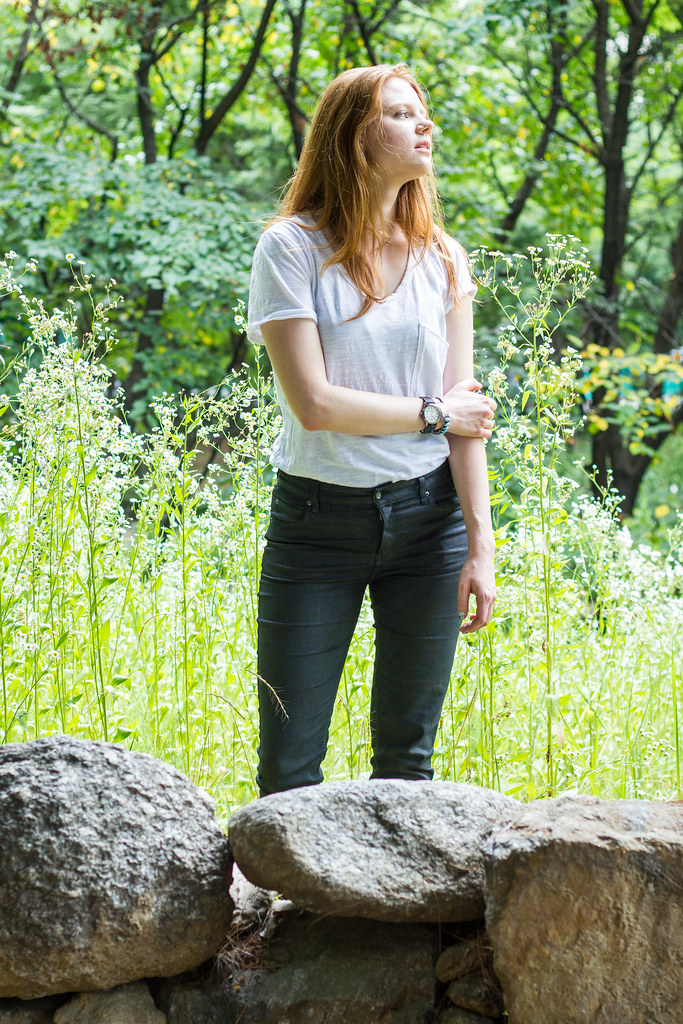
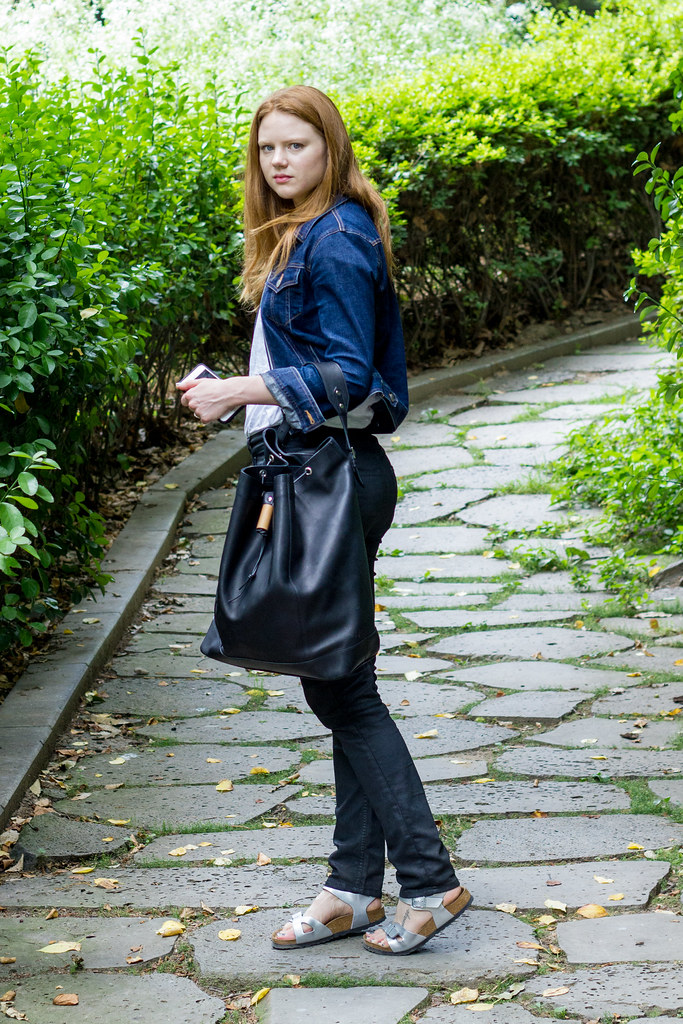
As I've simplified my wardrobe I've settled in to what is now my own uniform: 

- a solid t-shirt with a good drape
- a pair of higher waisted jeans or A-line skirt
- comfortable high quality flat shoes so I can run with the boys while shooting street style
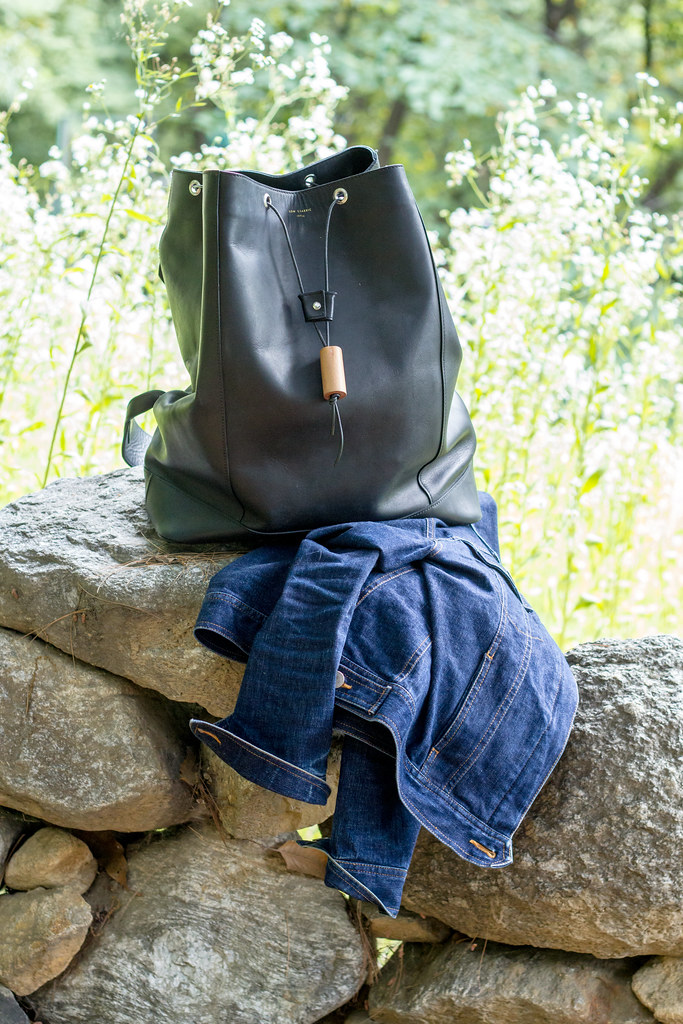
- a structured leather bag
- vintage turquoise pieces, or my gold bangles, or earrings, usually not all at once. 

It's all purchased in the same monochrome color palette with pops of blue and silver and you can mix and match everything. On top of this I add in manicured nails (I do them once a week in a color scheme that fits), simple makeup (the same face every day), and a great haircut. Because as a redhead it's all about the hair. 

Having a set uniform is just one of the many ways that I've tried to stay proactive and not reactive. What this means is that I make decisions about where I spend my time based on my goals and not on what's crying out for my attention, because 95% of the time what wants my attention is not actually where I want to put my attention. The world won't end if I decide to focus on editing photos or emailing a pitch for an hour or two instead of responding to the flurry of whatsapp and kakao messages on my phone or the dozen emails I wake up to every morning.

Beyond this, I've learned something valuable in the last six months that has changed how I live. Here it is: 

The work you do on the big projects, the ones you really want to accomplish and feel most satisfied with, is often invisible to the untrained eye. You need to make space for this work and you must make peace with the idea that often it will go uncounted for in life's daily to-do list.

Once I realized this I was able to settle into the idea that I'd have to carve out space to do the work that no one else could see regardless of whether or not I could justify the time or produce measurable, quantitative results. As a teacher it's been all about  measurable goals for the last half decade, and I admit they do have their place, but sometimes the real work is simply deciding to process photos differently and taking the time to attempt a new style. Sometimes you shoot photos that won't ever see the light of day. When you do not demand results from your work there is room for failing which is an essential part of growing. And you learn that the work itself is the end goal and this provides a certain type of stamina.

I want to close this out by saying one thing: I don't think there's anything wrong with dressing creatively, or wearing wildly different things, especially because without the interplay between people, fashion, and daily wardrobe I would be out of a job. I still love to dress up, look at the gorgeous things coming out from designers all over the world, and play with new fits and styles - I do it when I'm able. But on a daily basis, on workdays, which can be seven days out of seven some weeks, having a uniform makes my life easy. 

.

.

.

.

.

.


***

Jeans: Cheap Monday
Jacket: Thrifted
Shirt: Indiebrand
Shoes: Birkenstock
Backpack: Low Classic


Selasa, 02 Juni 2015

Three Lessons I've Learned From Forced Minimalism

Three Lessons I've Learned From Forced Minimalism

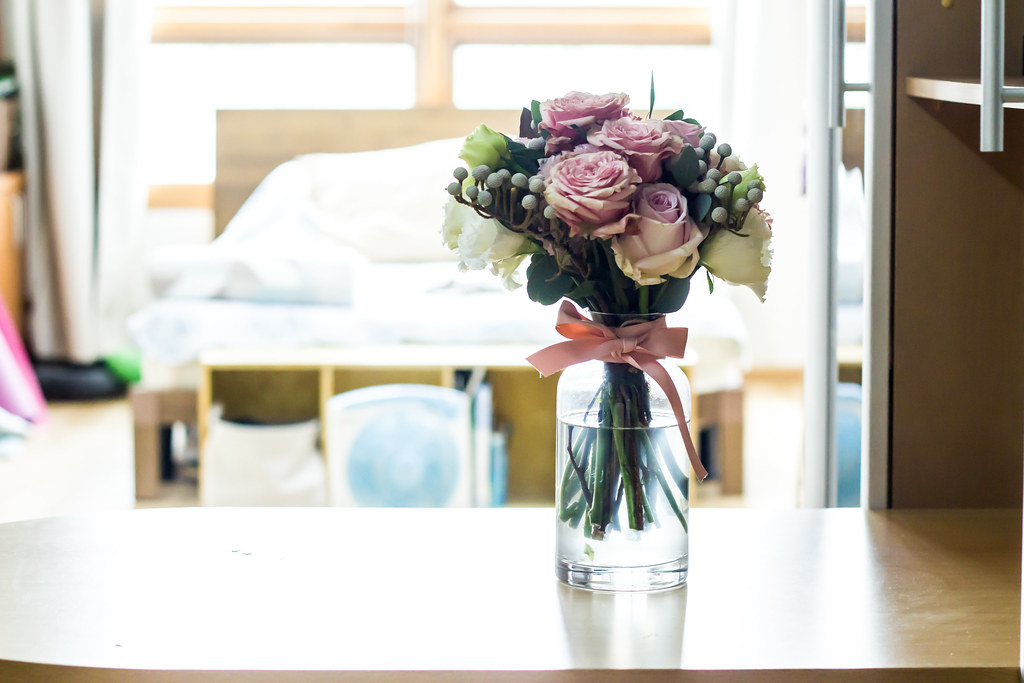
Roses 5.9.15 (4 of 4)

I used to say, "I have a high stuff tolerance." My home tours that have been posted on the blog over the years bear witness to that. It's been a mix of (mostly free!) furniture finds that speak to me, knick knacks picked up on trips, and random bits and bobs that I kept "just because."

I had an overflow of stuff and I didn't know what to do with it, so I sorted it, re-arranged it, and tidied it up. And then I got on a plane with a few suitcases, leaving poor JR to deal with all the stuff, and flew thousands of miles away for a year long adventure, the kind I've been wanting since I was fifteen and determined to live somewhere else that would grow me as a person!

And grown I have! I've grown in little ways and in big ways but one of the most acute difference is that I've been forced into minimalism by suitcase limits and I love it. I thought I would hate it. This was unexpected.

I don't get to stay here. I get one year and that's it. It's kind of like a sabbatical for me, so it's been useless to decorate, to invest in things I'll just have to leave behind unless they are truly, truly useful or so beautiful I can't resist buying them and shipping them home at the end.

I wanted to list the three most important things I've learned since I've moved here about being minimalist. These three values will totally transfer over to my life in Detroit once I return because JR's two week foray into life here in Korea earlier this month helped convince him that there was something good here. And here's what's good:

1) Owning fewer things means I spend less time managing these things and more time doing what I want and building relationships with people.

I don't have to dig through piles of stuff to find that one thing I want. I don't have to re-arrange or arrange sixty things just to fit one new thing into my life. Cleaning and tidying only takes a few minutes and everything has a home so it just goes there at a certain time throughout the day. Because I spend so little time on tidying up and cleaning I have lots of time to do other things I want, like shoot street style photographs, write articles, or talk to friends, both here and at home.

When I get home I want to make sure I remember that owning less stuff has a direct correlation between valuing my, and other people's time and creating relationships with other people. I never realized that before but now I know!


2) I am more focused on what I really want and have been able to define grown up, adult style for myself. 

This has to do with the amount of clothes I have here. I have, simply put, a capsule wardrobe. I own about 40 things per season (sounds like a lot but this includes shoes, jewelry, hats, and so on...) and I rotate some things in and out as the seasons change. I've just gone into my second iteration of a capsule wardrobe here in Korea and getting dressed has become really simple. Like, five minutes simple.

To accomplish this. I worked through into-mind's guide on defining your personal style and creating a capsule wardrobe. The initial investment per season is larger than before (I spend about 300 dollars per season either replacing things or adding new pieces) I don't shop for three months once the buying is done and I only buy what's on my list. Inspired by un-fancy, when I'm getting the urge to shop I try a new makeup tutorial or learn how to style my hair.

I used to walk into my enormous closet and say, "who do you want to be today?" and dress accordingly. Getting dressed was a process that took between an hour and an hour and a half including hair and makeup.  That's too much time for me. Now, I wake up and I just am who I am. I feel prettier and more collected on a daily basis but I'm definitely lower maintenance.

When I get home I want to make sure I give myself a thorough closet clean out, but also the luxury of buying what I really, really want instead of a dozen pieces that are "just okay." I also want to stay away from shopping as a group activity and do more coffee, dinner, or movie dates with my friends. I get to have two closets in my new house back home and I think it'll be great if one could be "archival" and the other "functional." I'm not willing to give up my carefully curated antique clothing collection because I am a textile enthusiast at heart, but having a functional wardrobe of modern clothes (now that I rarely wear vintage) is a great thing!

3) I have to make fewer decisions throughout the day so life is simpler.  

This is the most profound thing I've noticed but also the most difficult for me to articulate. My options for what to do with my time are limited because what I own is limited: I can play my guitar. I can read. I can journal. I can sit on the internet. I can go out and do something in Seoul. I can exercise. When I cook I make simple things using my simple kitchen tools (though I will never overlook the importance of a garlic press again! I was given one and there's no turning back, y'all!). There's not a lot to do. So when I do it it's high quality and focused.
I also know what I like to do now and what I really miss. I know I'll be keeping my sewing stuff. I actually ache to create things, and I profoundly miss that feeling of self-sufficiency that I've always had because when I want something I typically make it. I have no tools here and it's not meaningful to re-buy just to have it for another six months. I have a feeling I'll be buried in my sewing room binge-crafting  when I get home working on curtains and slipcovers and such. I have a wallet pattern and a tote bag pattern I want to perfect that I've developed here so I'll be leather working, too.
But in general, with fewer things comes fewer decisions. Less spending of money for maintenance and upkeep. And what I do have I use well and lovingly and carefully. And I like that.


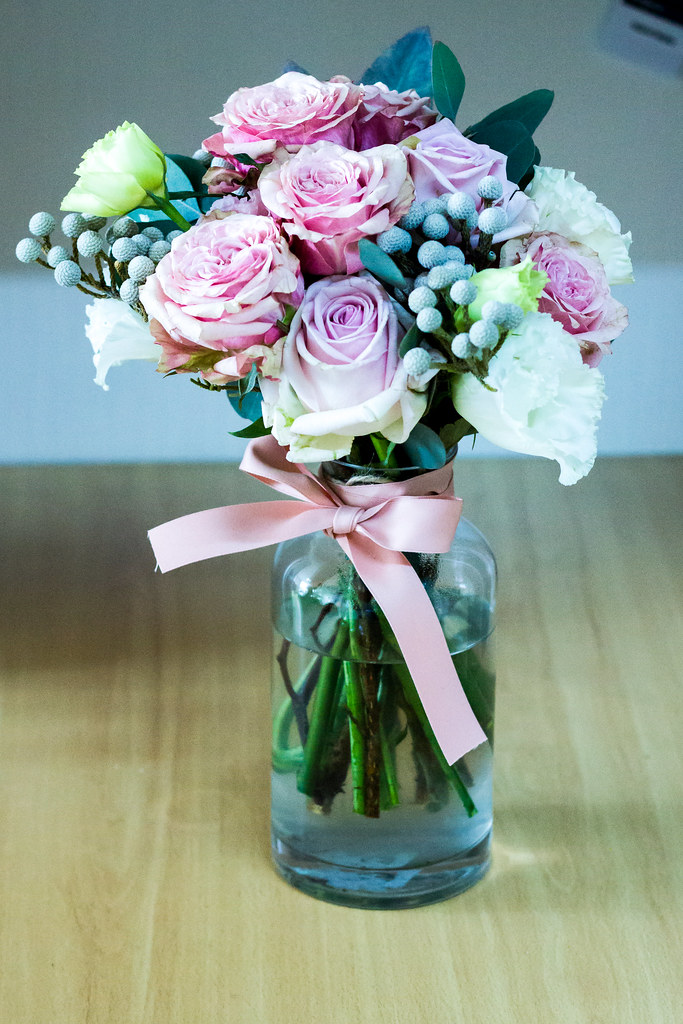
Roses 5.9.15 (1 of 4)

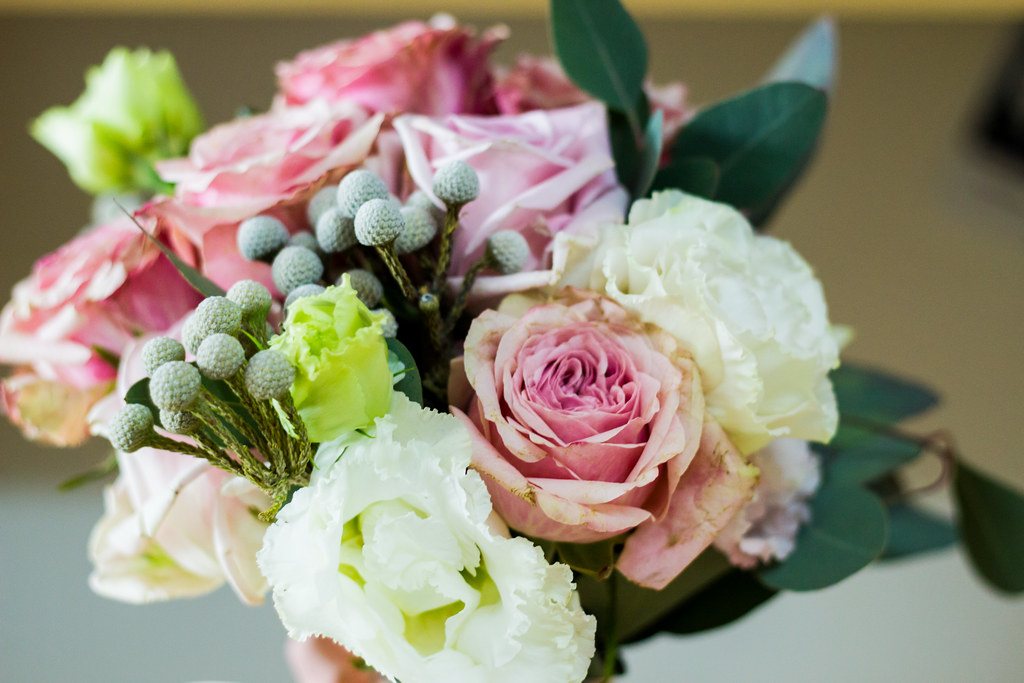
Roses 5.9.15 (2 of 4)

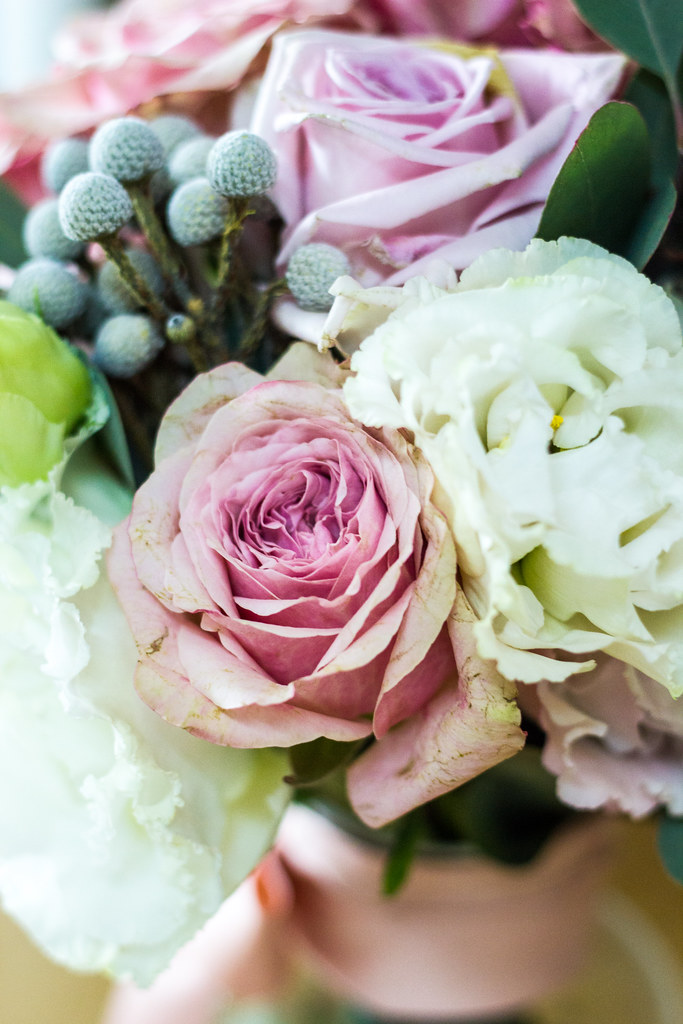
Roses 5.9.15 (3 of 4)


Senin, 20 April 2015

Tunnel to the River

Tunnel to the River

Garosugil - 4.18.15 (29 of 45)

Garosugil - 4.18.15 (43 of 45)

Right before I decided to move to Seoul my sister asked me what I wanted to get out of the trip. I told her that I had three big goals:

- I wanted to refine my personal style
- I wanted to learn to speak, read, and write Korean
- I wanted to learn transferable skills that would help me when I came back home

I'm almost one quarter of the way here and those three goals have been ever present and almost a burden on the way my life here is shaped. But, having those three things at the front of my mind has  helped me shape the kind of life here I wanted to have when I moved.

But, the biggest thing of all I've learned here is that time is finite. I have never felt that more acutely than now. I'm not in a position to stay as long as I feel like here in Korea. I have one year and then that's it. It's back to my house in Detroit and my life there.

When I first arrived I was staring at a stack of fifty two weeks, lined up one after another an endless parade of time available. When I first got here I talked to another expat who was about to leave and I asked her what I should do, what she would have done differently about her time here and she said, "I think if you want to do something you need to just go do it. Don't worry about lining up a group to go with or anything, just go. Because I thought there was always time but now I realize there isn't much left and there are things I never did because I wanted to go with people, or thought I could just put it off." And she was right: time moves fast. The calendar pages turn quicker than I'd like.

Knowing that I cannot be here forever makes the experiences I have richer, but I've also learned to curate my experiences so that I do what I love. So, I've said yes to cherry blossoms in a rainy park, history museums on national holidays with women in Hanbok fluttering like butterflies. I've said yes to every Saturday in Garosugil shooting photos with the other street style photographers. Yes to fashion week and yes to weekday mornings at my kitchen table writing, editing, and researching for articles. I've said yes to really long walks along streets I don't know the name of with my camera in hand, and yes to the orange glow of the city at night in amongst the Hanok near palaces, along the Han river and the quiet stream near my apartment, and through the brightly lit overcrowded boulevards of Gangnam.

But before I say yes I think to myself: Is what is being proposed right now what I truly want out of life? My motivations are many. Sometimes I say yes because I want to cultivate a relationship with the person I'm going to do something with. Sometimes I say yes because I know that the activity will feed my soul - church, museum visits, performances all fit into this. Sometimes I say yes because it will help me gain those skills I want. That's why I shoot street style, attend fashion week, relentlessly pitch articles in the weekday mornings before work, and take Korean class. And sometimes I say yes because, well, I just want to. It sounds fun. Fun for no reason is absolutely allowed.

And I say no, too. I say no a lot here, more than I ever did back home and you know what? I like it! I do have a moment of guilt when I decline an invitation to do something but keeping the question in my mind helps me sort out whether or not I am moving forward. If it doesn't move me forward or feed my soul, or cultivate beautiful relationships with others then I don't say yes to it. It's simple.

And so when I go to life back home I hope I can remember how time is finite. I hope that I can keep the question I ask here in the front of my life there and act accordingly without falling into the trap of saying yes to things simply to be entertained or because I didn't want to get out of my pajamas or was tired which I knew I did all the time back home. I hope that I can find a few new goals to work towards, or perhaps refine the three I already have to keep me moving forward.

Garosugil - 4.18.15 (24 of 45)

Garosugil - 4.18.15 (31 of 45)

Garosugil - 4.18.15 (44 of 45)

Garosugil - 4.18.15 (33 of 45)

Garosugil - 4.18.15 (30 of 45)

Garosugil - 4.18.15 (40 of 45)

Garosugil - 4.18.15 (43 of 45)

Garosugil - 4.18.15 (27 of 45)

Garosugil - 4.18.15 (42 of 45)

Garosugil - 4.18.15 (28 of 45)

***

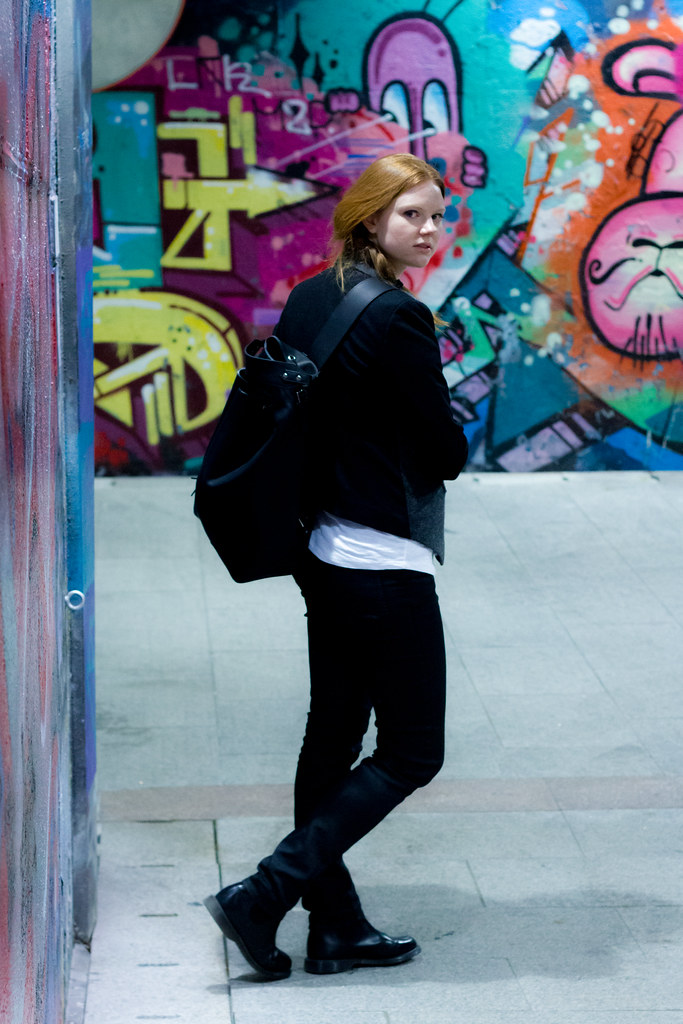
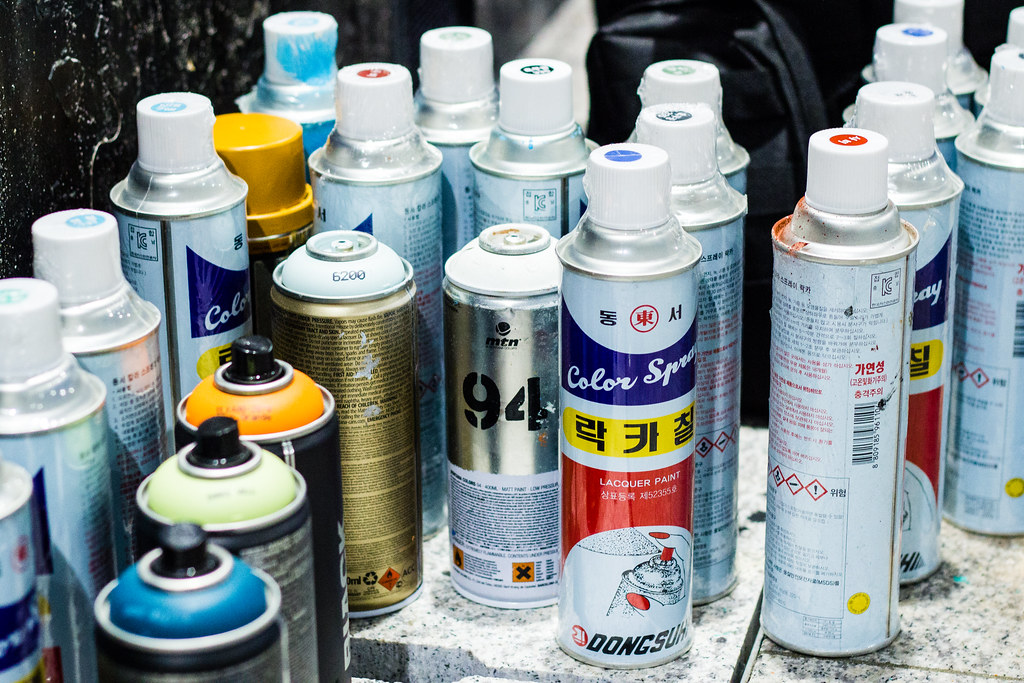
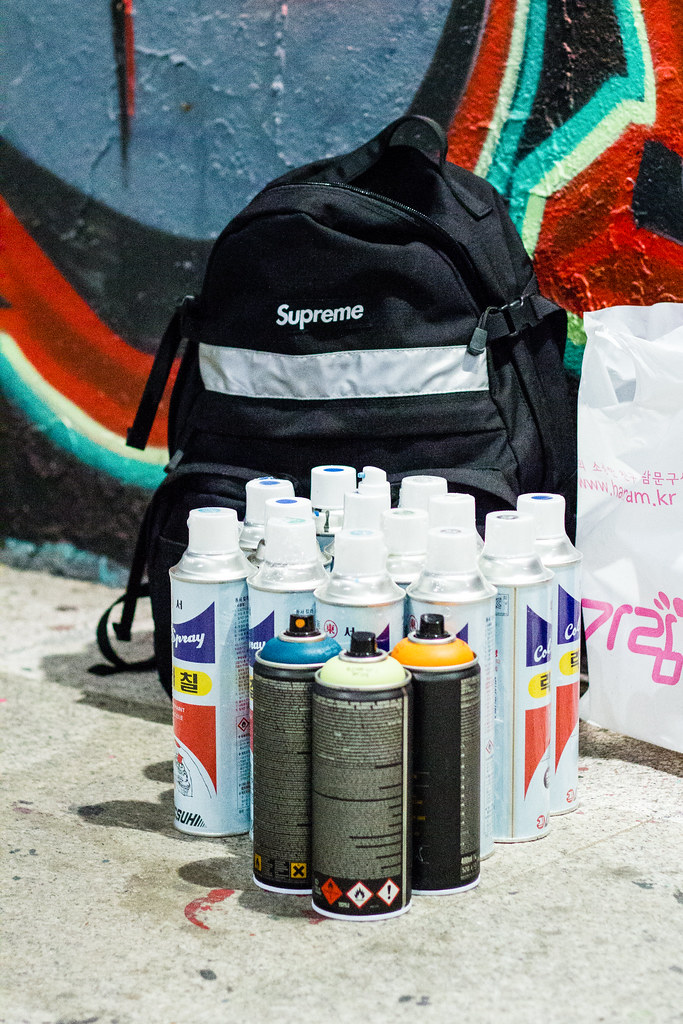
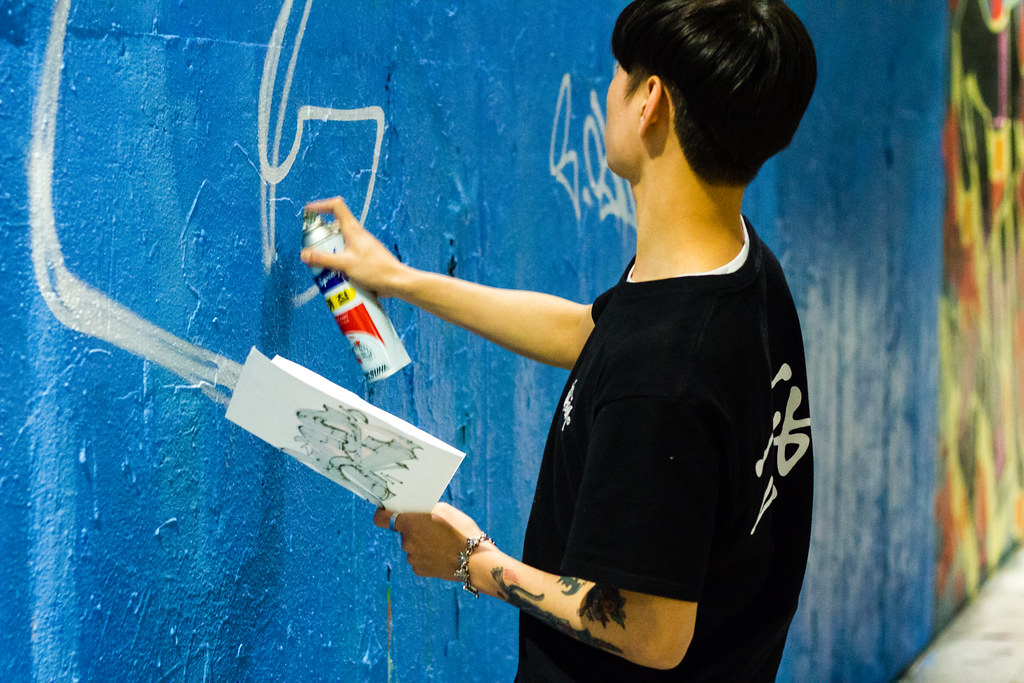
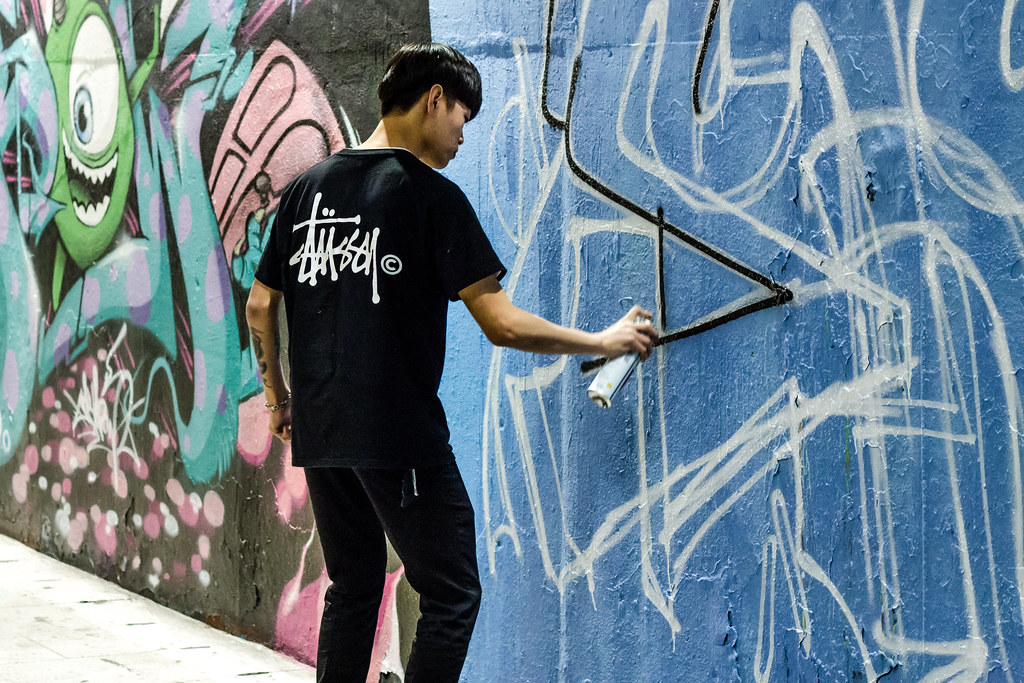
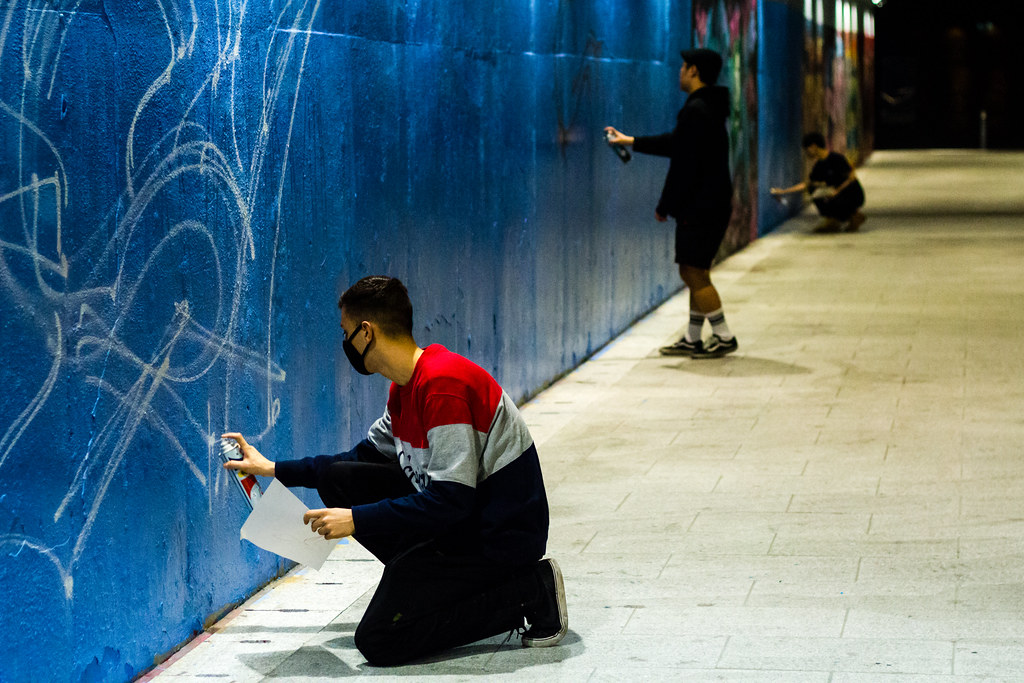
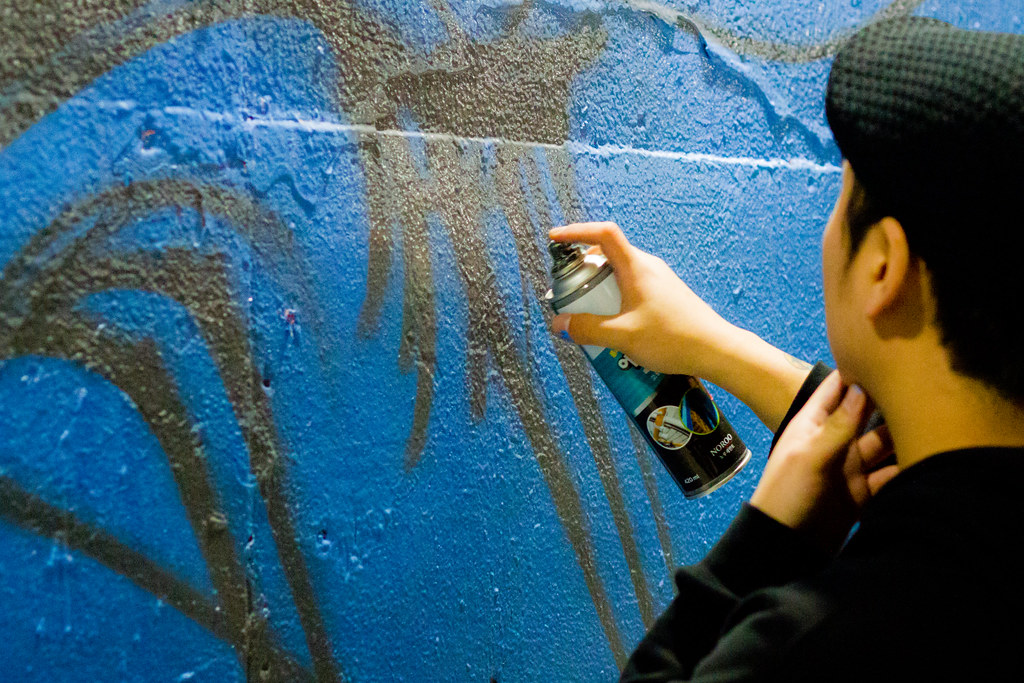
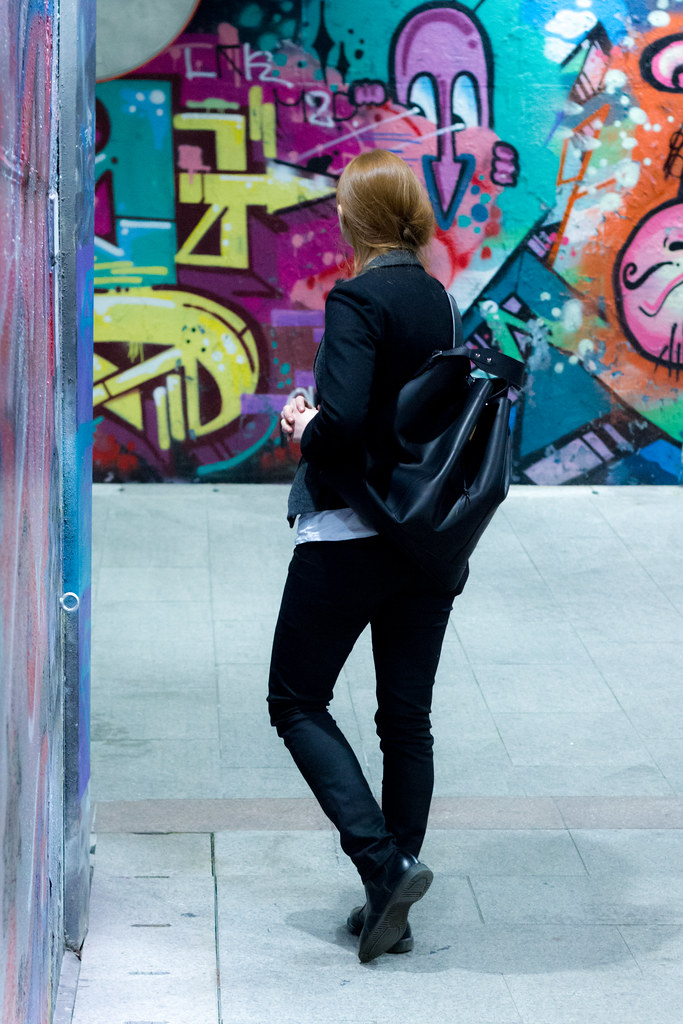
These photos were taken in a tunnel in Gangnam that has been specifically designated for graffiti artists to use between 10:00 p.m. and 5:00 a.m. One of the graffiti artists explained to me that it's basically a wall of fame here. You paint over a piece of graffiti and put up your own art. The artists cue up around 9:45 but are super respectful and don't actually start painting until the time is right. These guys were nice enough to let me take their picture as long as I didn't show their faces in the photographs. 

Jacket: Ann Taylor
Shirt: Indiebrand
Backpack: Low Classic

Minggu, 19 April 2015

Seoul Fashion Week Wrap Up


I know you've seen some Seoul Fashion Week coverage here on Elizabeth lives, but you can find my final recap and a handful of street style photos I took over on Mutzine, a new Korean Fashion webzine. 

Rabu, 08 April 2015

Linda McCartney Retrospective at the Daelim // Jongno

Linda McCartney Retrospective at the Daelim // Jongno


Jongno - 3.29.15 (1 of 10)

Jongno - 3.29.15 (8 of 18)

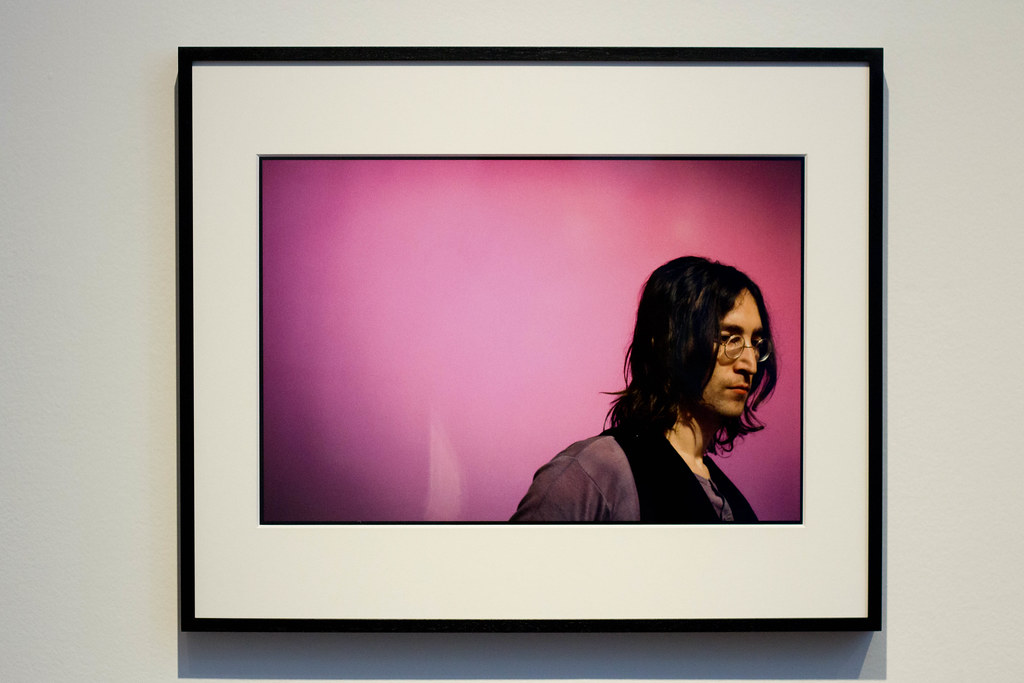
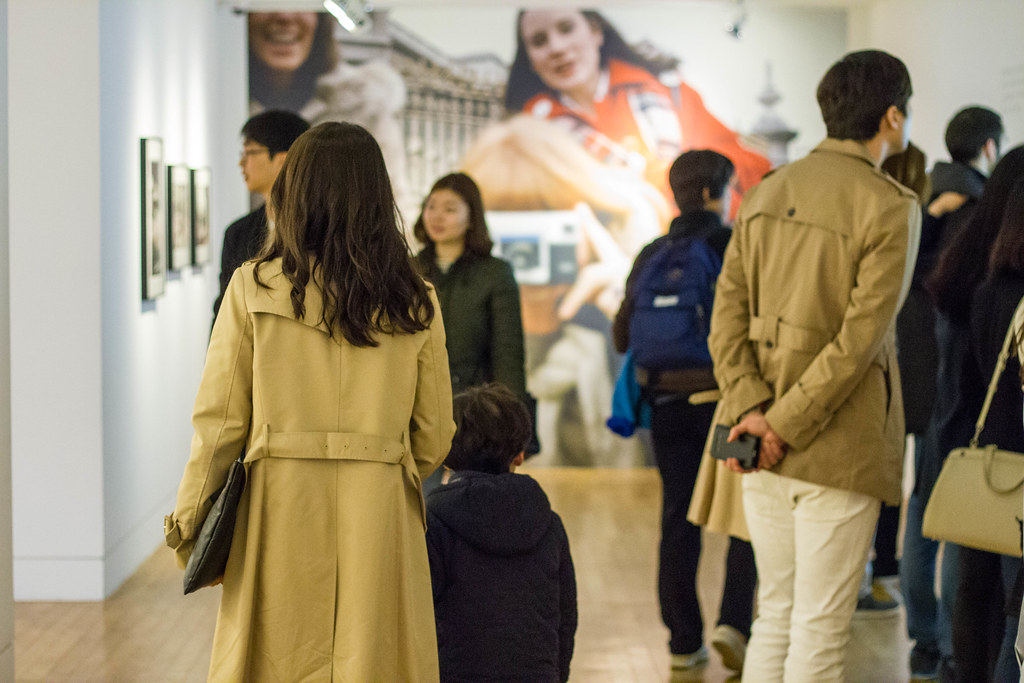
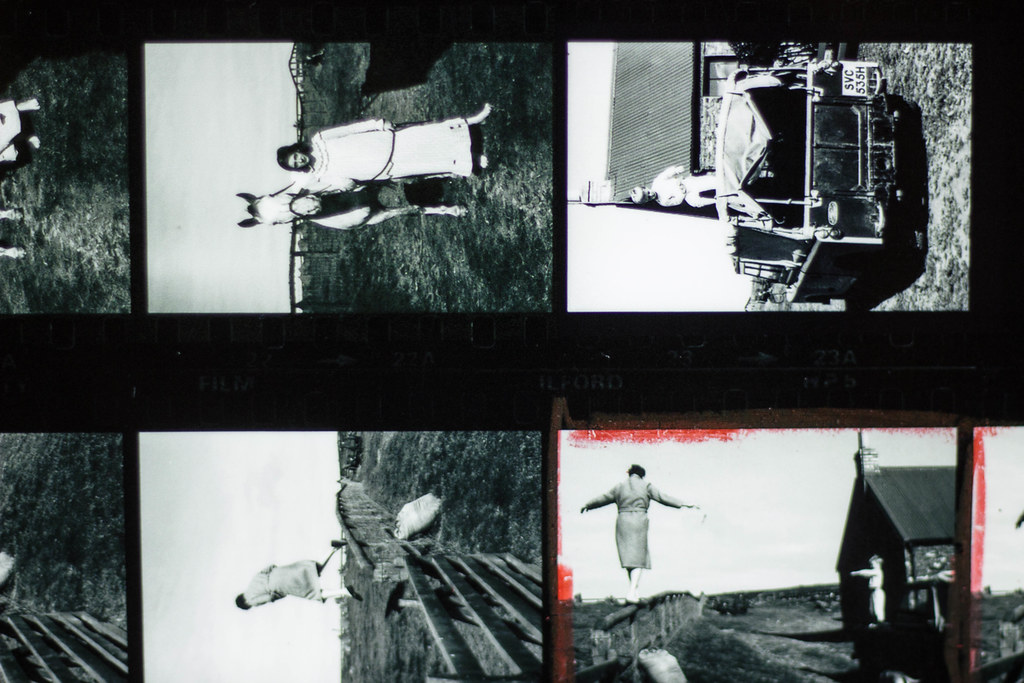
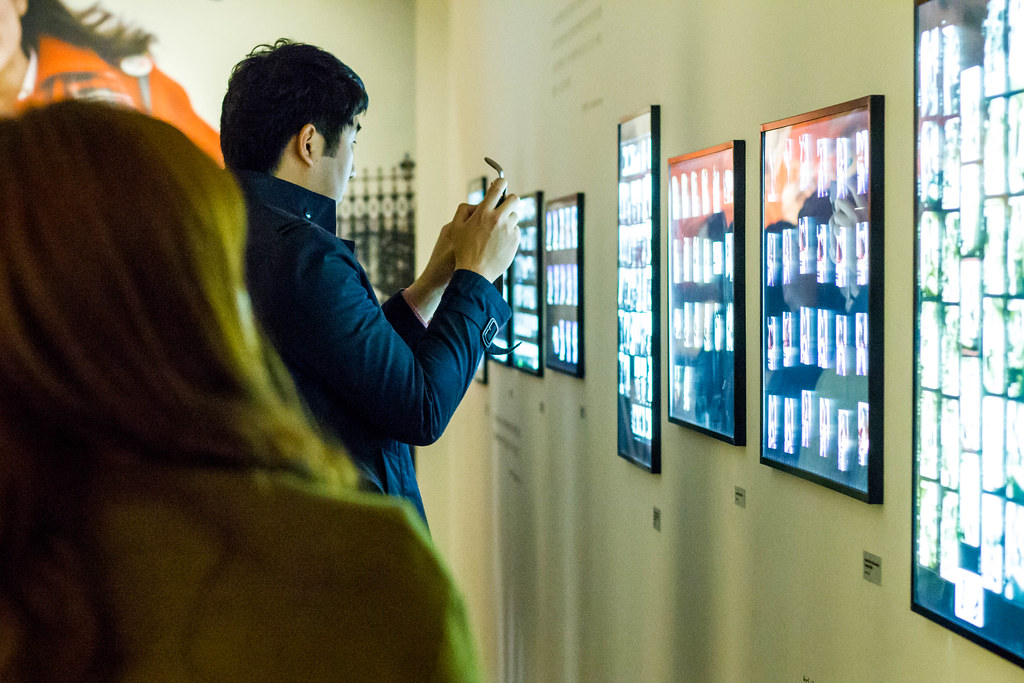
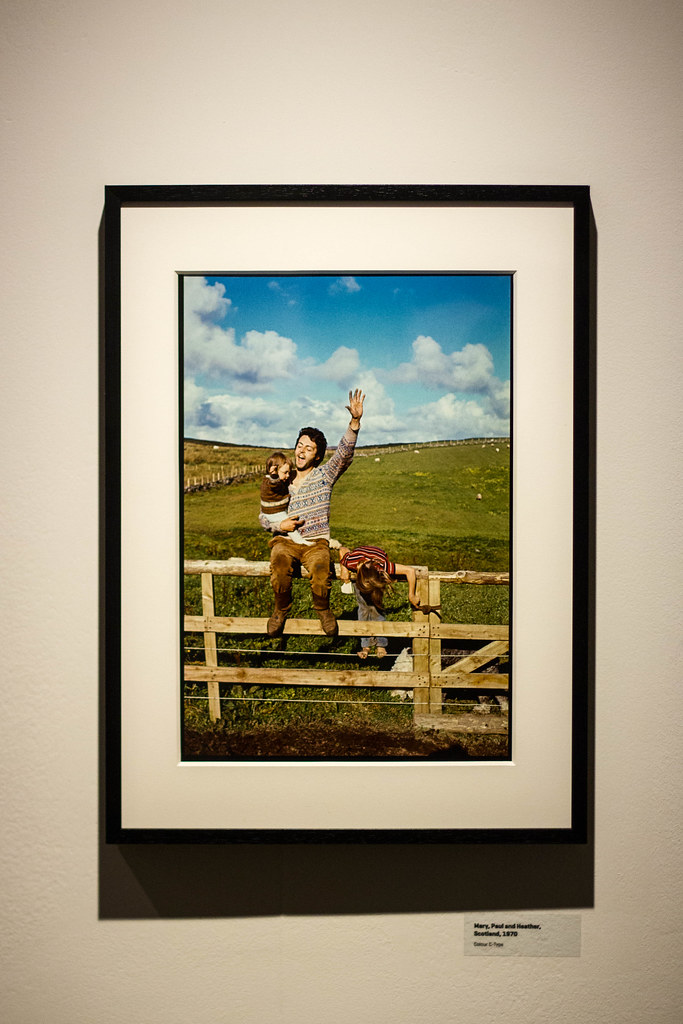
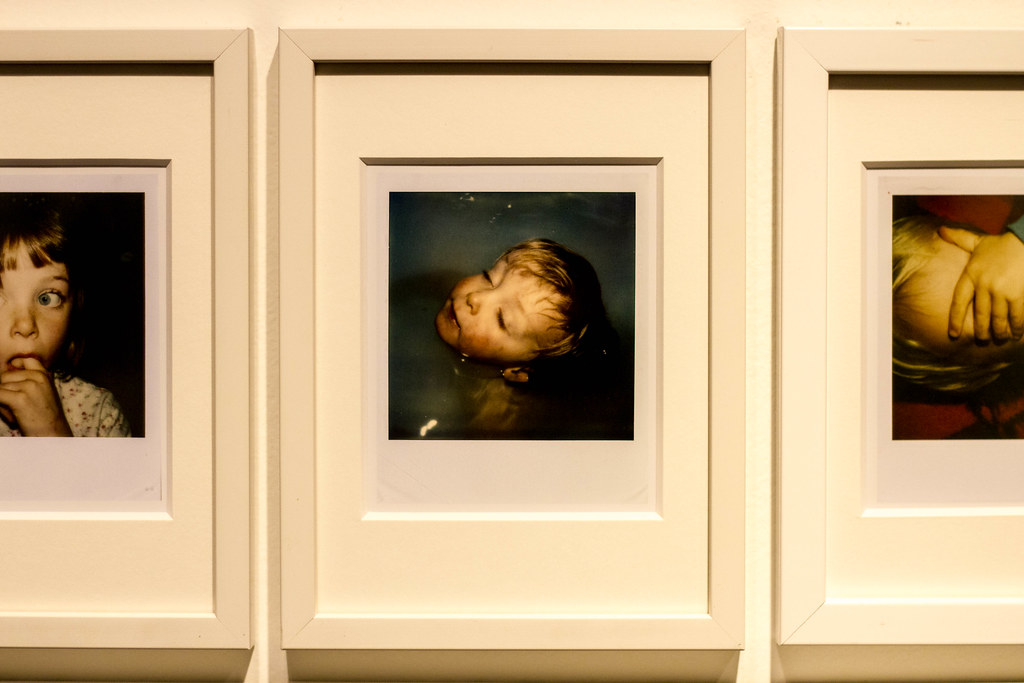
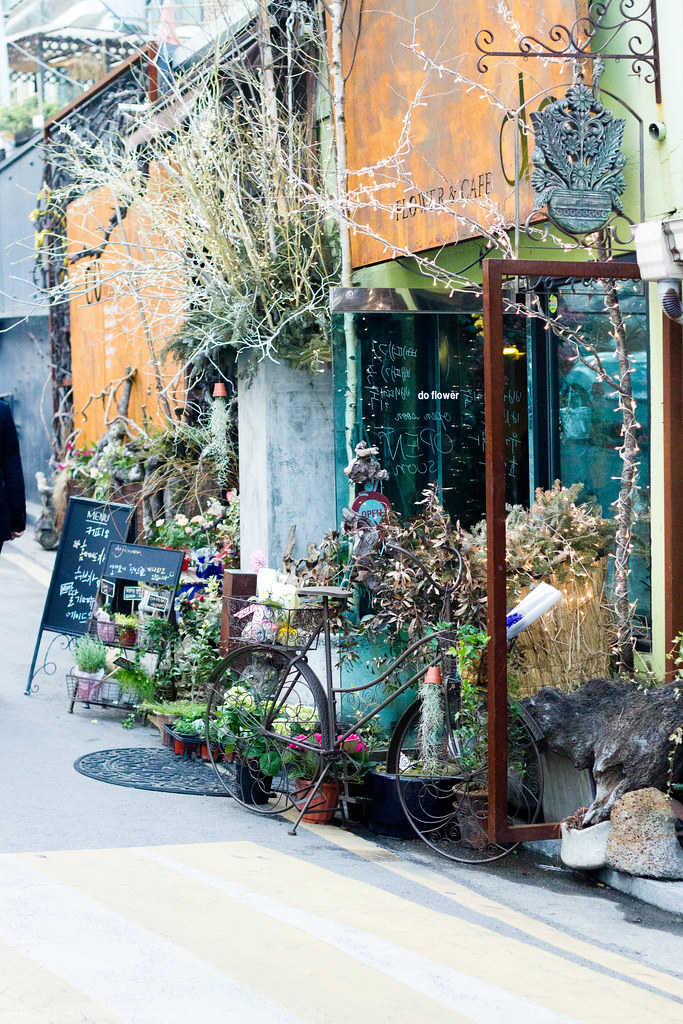
We went down to the Linda McCartney Retrospective at the Daelim Museum, which features maily photography exhibits. After taking in the museum for a while we wandered the charming streets west of the museum and found flower shops, quiet cafes, traditional Korean homes called Hanoks, and perfect light. 

Jongno - 3.29.15 (7 of 18)

Jongno - 3.29.15 (6 of 18)

Jongno - 3.29.15 (5 of 18)

Jongno - 3.29.15 (4 of 18)

Jongno - 3.29.15 (2 of 10)

Jongno - 3.29.15 (3 of 10)

Jongno - 3.29.15 (5 of 10)

Jongno - 3.29.15 (7 of 10)

Minggu, 05 April 2015

The Good Glass // Seoul Fashion Week Part II

The Good Glass // Seoul Fashion Week Part II

15.3.21 (16 of 21)

15.3.21 (17 of 21)

15.3.22 (10 of 19)

15.3.22 (13 of 19)


15.3.23 (shot 3.22) (15 of 15)


15.3.23 (shot 3.22) (6 of 15)


15.3.21 (13 of 21)

15.3.21 (10 of 21)

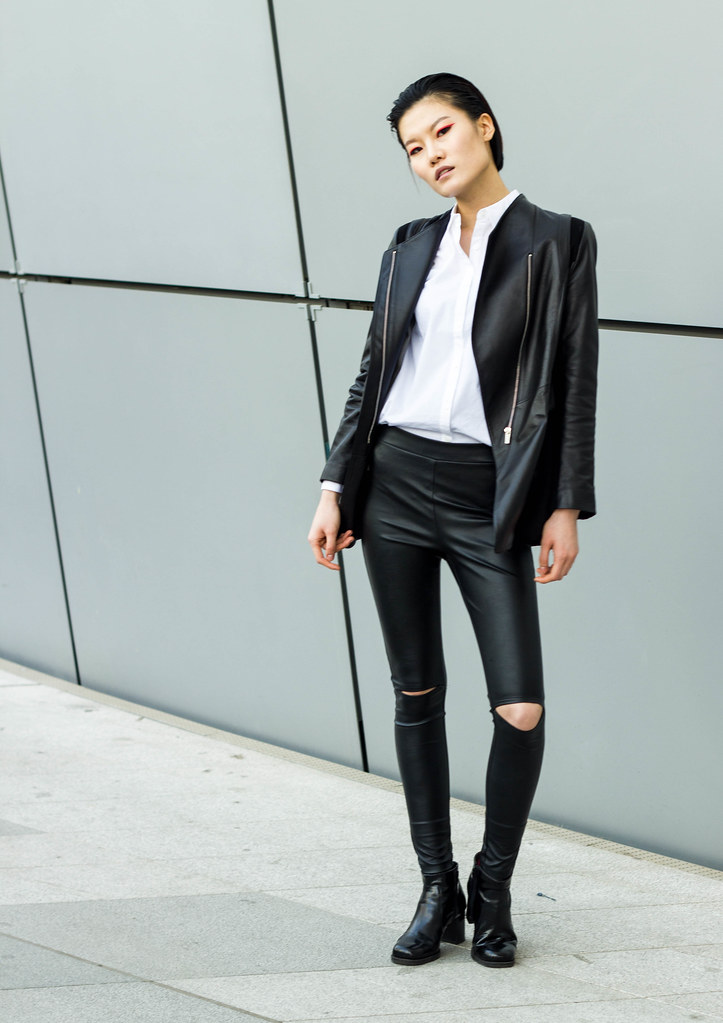
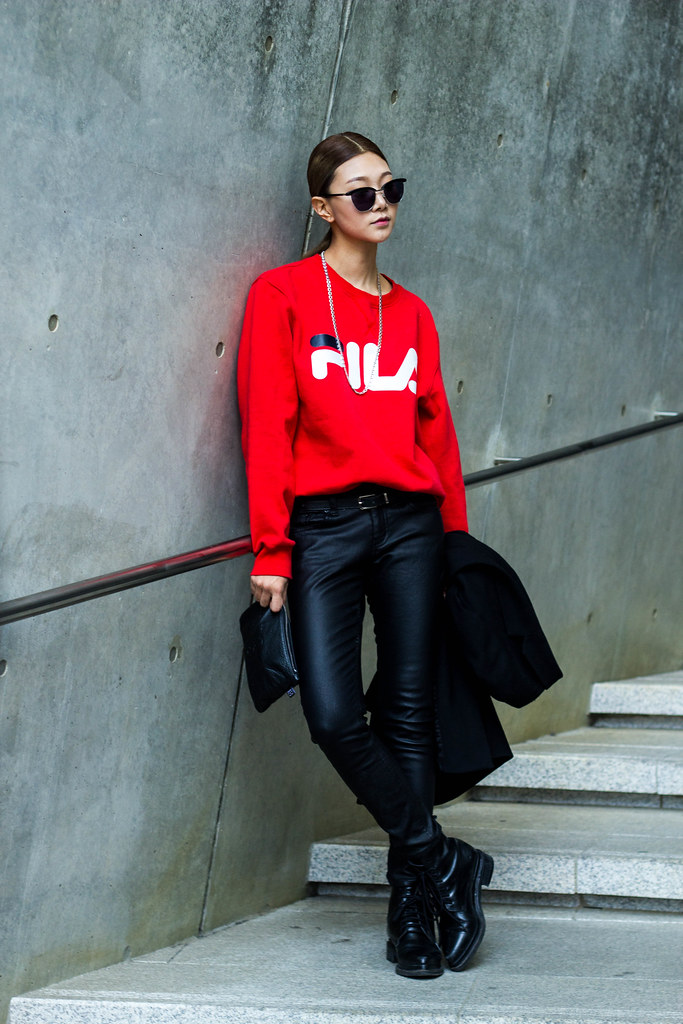
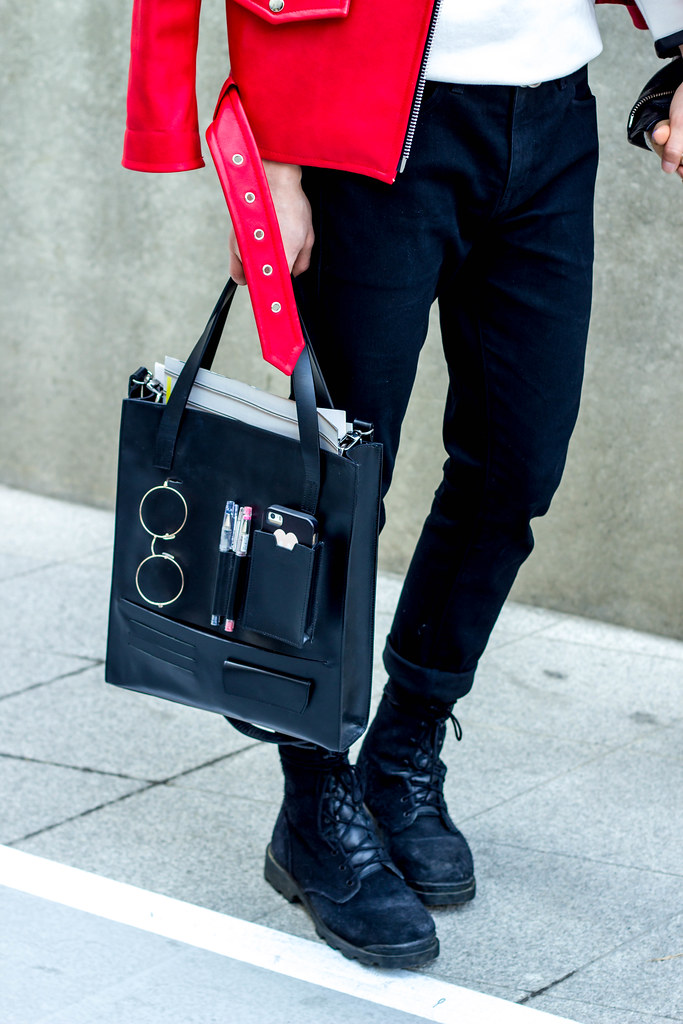
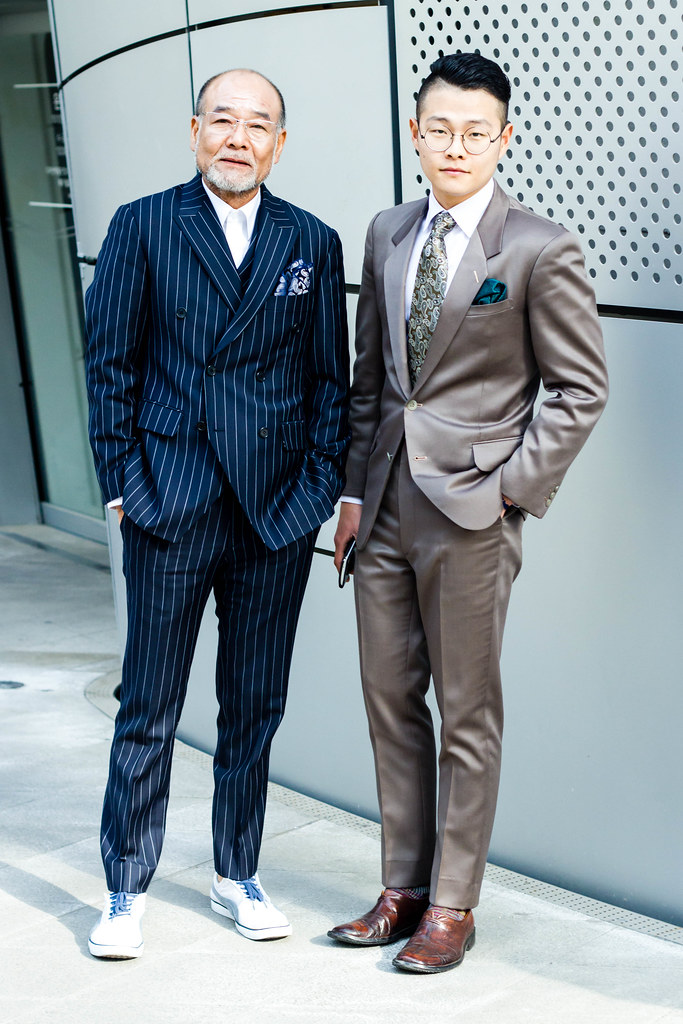
Here's my second set of street style photos from Seoul Fashion Week AW15.  You can see the entire set here on The Good Glass. 


▲
Top